
1st Choice Residential journal
How Do I Know If My Chimney Needs Cleaning? 7 Signs to Check
Soot near 1/8 inch thick, a campfire smell, or smoke in the room means your chimney needs cleaning. Here is a 5-minute home check and when to call a sweep.
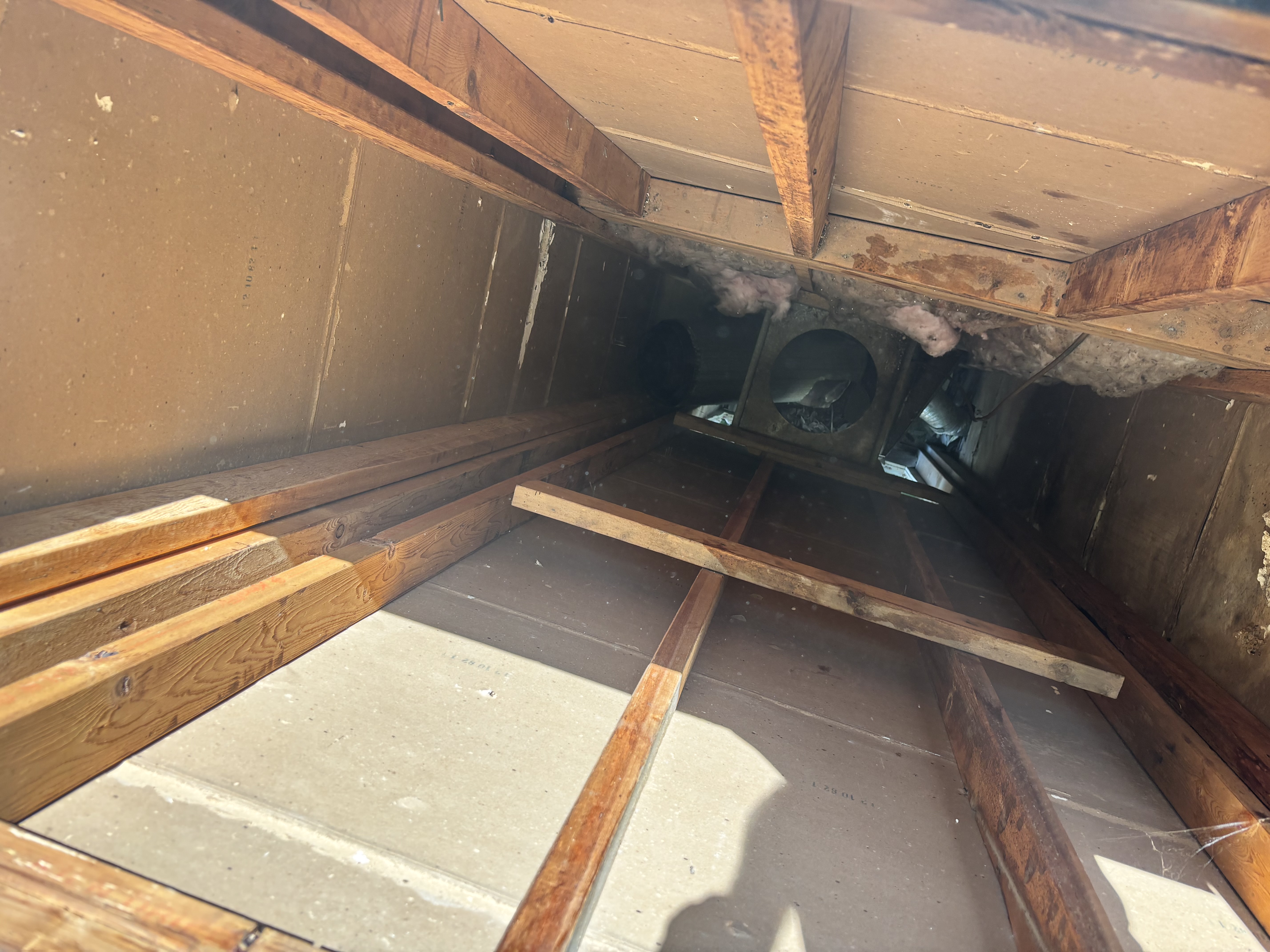
You know your chimney needs cleaning when you see soot or creosote buildup about 1/8 inch thick, smell a campfire odor indoors, get smoke rolling into the room, or can't remember the last sweep. NFPA guidance is a yearly chimney inspection, with cleaning as needed. If it's been a full burn season, book the sweep before the holiday fires start.
Quick answer:
- Scratch test the flue or smoke shelf. Buildup near 1/8 inch thick means it's time.
- A strong campfire smell, slow-starting fires, or smoke in the room are warning signs.
- Black flakes in the firebox, nests, or a year since the last inspection all say "call a sweep."
- Shiny, tar-like glaze inside the flue is the one you never DIY.
Picture it. The cousins are in town, the kids want s'mores, Grandpa wants his chair by the fire, and the dog has already claimed the rug. You strike a match, and the living room fills with smoke. Now everyone is coughing, the smoke alarm is singing, and the only thing roasting is your reputation as host. Five minutes with a flashlight now saves that whole scene later.
How do I know if my chimney needs cleaning?
Look for buildup, smell for creosote, and watch how the fire behaves. A chimney that needs a sweep almost always tells on itself. Here are the seven signs our techs check first:
- Buildup about 1/8 inch thick. That's roughly the thickness of two stacked credit cards, and it's the common sweep rule of thumb for "clean it now."
- A campfire smell in the room. Creosote smells worst on humid days and when the AC or heat pulls air down the flue.
- Smoke backing into the house. A dirty, narrowed flue drafts poorly, so smoke takes the easy way out: your living room.
- Fires that are hard to start or keep going. Weak draft starves the fire of air.
- Black flakes or chunks in the firebox. That's creosote letting go from the flue walls above.
- Twigs, leaves, or nest material. Birds and critters love an uncapped chimney.
- No inspection in the last year. Even a clean-looking chimney can hide cracked tiles or a blocked cap.
How do you check your chimney for buildup yourself?
Do a cold-fireplace flashlight check and a scratch test. Wait at least a full day after your last fire so the ashes are cold. Then:
- Lay an old towel on the hearth. Creosote stains carpet faster than spilled grape juice.
- Open the damper and shine a strong flashlight up the flue. A small hand mirror helps you see around the smoke shelf.
- Drag a fireplace poker or old key across the flue wall or smoke shelf.
- Check the groove. Thin, dull soot that's well under 1/8 inch means you're fine for now. Near 1/8 inch, book a sweep.
- If the surface is shiny, hard, and looks like a black candy shell, stop. That's glazed creosote, and it's a pro job.
Hack: snap a phone photo straight up the flue with the flash on. Your phone sees farther than your eyes, and you can zoom in from the couch.
What do the different kinds of chimney buildup mean?
Soft soot is normal, crunchy creosote means book soon, and glazed creosote means stop burning until a pro looks. Here's how to read what you find:
| What you see | What it means | What to do |
|---|---|---|
| Fine, powdery black soot | Normal from regular fires | Keep an eye on thickness |
| Flaky or crunchy deposits | Creosote building up | Schedule a sweep before more fires |
| Thick, tarry, or shiny glaze | Glazed creosote, hard to remove | Stop using the fireplace and call a pro |
| Twigs, leaves, nest material | Blockage from animals | Don't light a fire. Get it cleared and capped |
Want the deep dive? Our guide on the 3 stages of creosote explains why stage 3 won't brush out.
How often does a chimney need cleaning?
Get it inspected every year and cleaned when the buildup calls for it. The NFPA's home heating safety guidance calls for chimneys to be inspected yearly, and the Chimney Safety Institute of America's homeowner resources say the same. How fast you build up depends on how you burn. Damp wood, smoldering fires, and closing the damper down too early all make more creosote. Dry, split hardwood and a hot, lively fire make less.
Simple habit that helps: burn small, hot fires instead of one big smoky log pile. Your flue stays cleaner, and your family gets a better-looking fire to gather around.
What our techs see
The most common surprise in the field isn't a scary chimney. It's a chimney that looks fine from the firebox and isn't. The bottom of the flue gets scorched clean by every fire, while the cooler upper section, near the top, quietly collects the heaviest creosote. That's why we run a camera up the whole flue instead of trusting a flashlight from below. We also find plenty of nests in chimneys with no cap, especially after a quiet summer.
DIY stops here
Checking is a great DIY job. Cleaning usually isn't. Call a pro if you find glazed creosote, a nest or blockage, cracked flue tiles, smoke in the room you can't explain, or if you've ever heard a roaring or popping sound from the chimney. (Read our signs of a chimney fire guide if that last one sounds familiar.) Store-bought "sweeping logs" can help loosen light deposits, but they don't replace a real sweep and inspection.
A clean chimney means a fire that lights on the first match, a living room that smells like cocoa instead of an old campsite, and a host who looks like a pro in front of the whole family.
Where we sweep chimneys
Our chimney sweep and camera inspection is $199 and backed by a 1-year workmanship warranty:
- Dallas–Fort Worth: DFW chimney service, (817) 791-4606
- Mobile & Baldwin County, AL: Mobile and Baldwin County, (251) 272-1990
- East Cincinnati, OH (sweep and inspection only): Cincinnati chimney sweep, 513-450-8799, $249
Book your chimney sweep online and get it done before the holiday fires.
FAQ
How do I know if my chimney needs cleaning?
Your chimney needs cleaning if soot or creosote is about 1/8 inch thick, you smell a campfire odor indoors, smoke comes into the room, or fires are hard to start. 1st Choice Residential checks these signs with a full sweep and camera inspection in DFW, Mobile, Baldwin County, and east Cincinnati.
Can I clean my own chimney?
You can check your own chimney with a flashlight and a scratch test, and light soot is not an emergency. Full cleaning takes the right brushes, rods, and containment, and it won't remove glazed creosote. 1st Choice Residential's $199 sweep includes a camera inspection to spot cracks and blockages you can't see.
How often should a chimney be cleaned?
Have a chimney inspected once a year and cleaned whenever buildup reaches about 1/8 inch or you find blockages. Homes that burn often, or burn damp wood, need sweeping more often. 1st Choice Residential recommends booking the yearly sweep before burn season in DFW, the Gulf Coast, and east Cincinnati.
Is a campfire smell from my fireplace dangerous?
A campfire smell usually means creosote buildup, and it often gets worse in humid weather. The smell itself isn't the main danger, but the creosote behind it can fuel a chimney fire. A sweep removes the deposits and usually most of the odor. 1st Choice Residential handles this in DFW, Mobile, and Baldwin County.
Do you do chimney sweeps in Cincinnati?
Yes. 1st Choice Residential offers chimney sweep and inspection only in east Cincinnati, Ohio, including Cincinnati, Anderson Township, Milford, Loveland, and Mason. The sweep is $249 and includes an inspection. Call 513-450-8799 or visit our Cincinnati location page to book.
Written by the 1st Choice Residential team. Veteran-owned since 2009, NFI-certified techs, serving DFW, Mobile & Baldwin County, and east Cincinnati.