
1st Choice Residential journal
What Not to Burn in a Fireplace: A Holiday Safety Guide
What not to burn in a fireplace: wrapping paper, cardboard, tree branches, treated wood and wet logs. Simple holiday tips to keep the family fire safe and smoke-free.
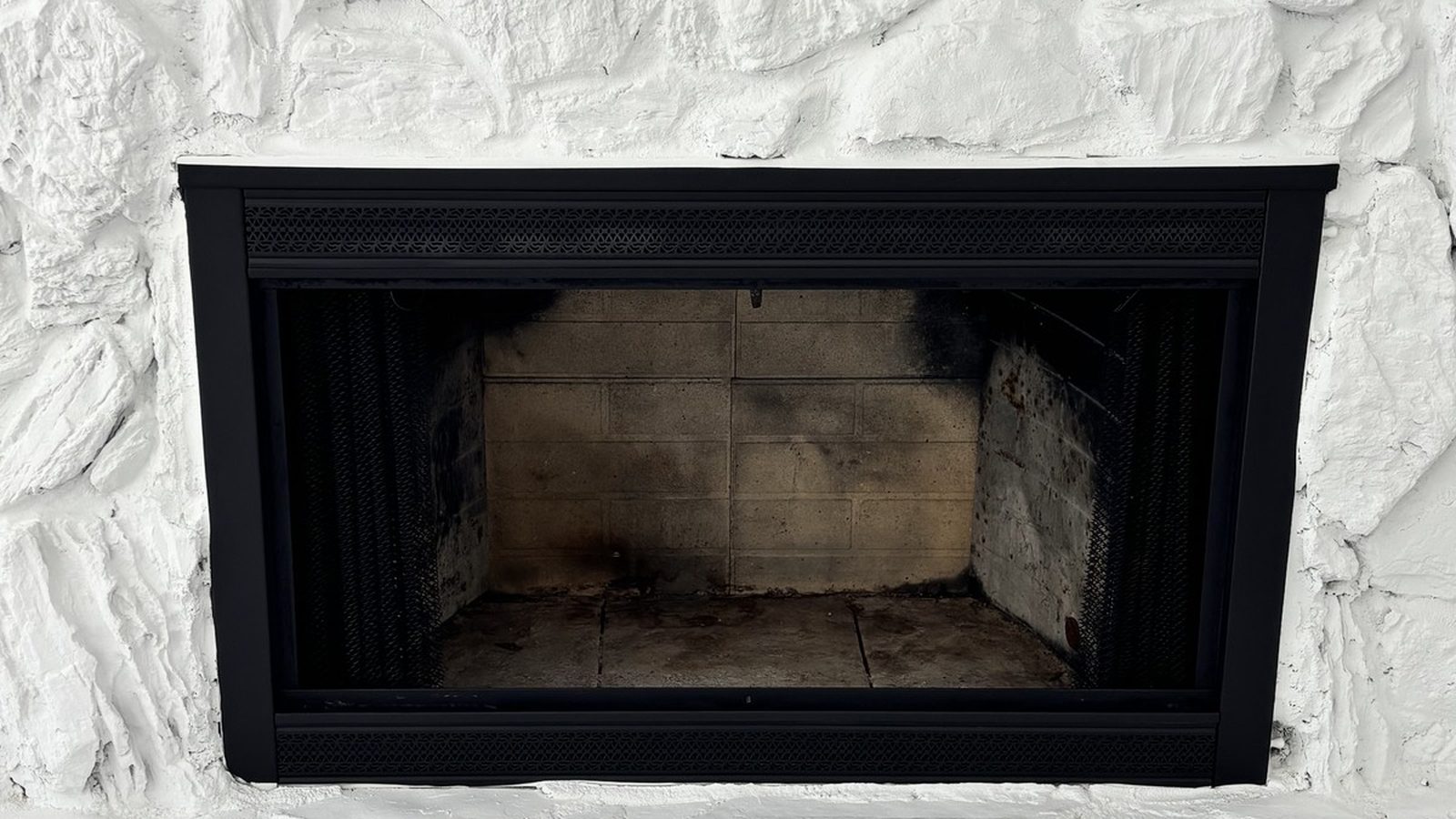
Never burn wrapping paper, cardboard, pizza boxes, trash, plastic, painted or pressure-treated wood, wet or green wood, or Christmas tree branches in a fireplace. Burn only dry, split, seasoned firewood. The banned list either flashes into a fire bigger than the firebox can handle or coats your chimney with creosote and toxic smoke that drifts back into the room.
Quick answer: If it came in a box, on a box, or is the box, it goes in the recycling bin, not the fireplace. Real firewood only. Dry kindling or newspaper to start it. Ashes into a covered metal can outside.
Here is the scene. The whole family is home. The kids just tore through a mountain of presents, Grandpa is in the good chair, the dog is asleep on the hearth rug, and somebody says, "Just toss the paper in the fire." That one toss is how a cozy evening turns into a smoke-filled living room, or worse. Let's keep the only thing roaring this season your family's laughter at Uncle Ray's sweater.
What should you never burn in a fireplace?
Never burn anything that is not clean, dry firewood. The U.S. Environmental Protection Agency's Burn Wise program says to never burn garbage, plastics, or pressure-treated wood, and its best wood-burning practices add coated and painted wood to the list. The Consumer Product Safety Commission warns not to burn wrapping paper or plastic items, because they can ignite suddenly and burn intensely, resulting in a flash fire.
| Item | Burn it? | What goes wrong | Do this instead |
|---|---|---|---|
| Wrapping paper and gift bags | No | Flash fire; burning bits float up the flue | Recycle plain paper, save the bags |
| Cardboard and pizza boxes | No | Burns hot and fast, sends embers up the chimney | Break down and recycle |
| Christmas tree branches | No | Dry needles flare and pop sparks; sap leaves sticky residue | Use your city's tree pickup or mulch it |
| Painted, stained, or pressure-treated wood | No | Releases harmful chemicals into the room and the neighborhood | Take scraps to the landfill |
| Plywood, pallets, particleboard | No | Glues and coatings make toxic smoke | Haul it off |
| Wet or green wood | No | Smoky, weak fire and fast creosote buildup | Season it at least six months first |
| Trash, plastics, foam, magazines | No | Toxic smoke, melted residue in the firebox | Trash can |
| Dry, split, seasoned hardwood | Yes | Burns clean and hot | Stack it off the ground and covered on top |
Can you burn wrapping paper in a fireplace?
No. Wrapping paper is the classic holiday mistake, and the CPSC lists it by name. Shiny, foil, and glossy papers light all at once, and lit pieces ride the hot air straight up the chimney. If your flue has creosote in it, those floating sparks are exactly what you do not want up there. A roll of wrapping paper is a great way to wrap a gift and a lousy way to start a fire. It is basically a paper airplane with a fuse.
Family hack: Hand each kid a trash bag before the unwrapping starts and make it a race. Whoever fills their bag first gets to pick the movie. The paper never gets near the fire, and the living room is clean before the pie comes out.
Is it safe to burn Christmas tree branches or pine cones?
No for the tree, careful with the cones. Once a cut tree dries out, its needles burn almost like tissue paper. A few branches can flare far past the fire screen and throw sparks onto the rug. Evergreen sap also leaves sticky deposits on the firebox and flue. Scented store-bought pine cones are often coated, so keep them on the mantel. Most DFW, Mobile, and Baldwin County cities run curbside tree pickup or drop-off after the holidays. Check your city's website the first week of January.
Why does burning the wrong stuff damage your chimney?
It damages your chimney because cool, smoky, dirty fires leave more creosote behind. Creosote is the black, flammable residue that builds up inside the flue. Hot, bright fires from dry wood leave less behind. If you want to know what that buildup looks like as it gets worse, our guide to the three stages of creosote walks through it, and our post on signs of a chimney fire covers what to do if you ever hear that freight-train roar.
What should you burn in a fireplace instead?
Burn dry, split, well-seasoned firewood and nothing else. The EPA says wood burns best at a moisture content of less than 20 percent and should be seasoned for at least six months. An inexpensive moisture meter from the hardware store settles the question in five seconds. Here is how to build a clean, low-smoke fire your guests will actually want to sit near:
- Open the damper first. Every time. Hold a lit match near the opening and watch the smoke go up.
- Check your wood. Split a log and test the fresh face with a moisture meter. Under 20 percent is ready.
- Start small and hot. Use newspaper, dry kindling, or a natural fire starter. Never gasoline, kerosene, or charcoal lighter fluid. The EPA is clear on that one.
- Add a few larger pieces at a time. Leave gaps so air can move between logs. A packed firebox smolders.
- Keep the screen closed and a 3-foot kid-and-pet zone. Put a rug line or a row of pillows down so little ones know where the line is.
- Handle ashes like they are still hot. Because they can be. Scoop them into a covered metal container and set it outdoors on a nonflammable surface, as the EPA recommends.
The payoff: a fire that crackles instead of smokes, and a hearth everyone gathers around after dinner.
What our techs see
After the holidays, our techs often find shiny scraps of foil wrapping, bits of cardboard, and glitter stuck to the smoke shelf and damper of homes that burned the paper "just once." The other common one is a firebox full of half-burned wet wood and a flue with fresh, sticky creosote from a season of smoky fires. Both are easy to fix when caught early.
Where DIY stops
You can control what goes in the fire. You cannot see inside your flue. Stop using the fireplace and call a pro if smoke rolls into the room, you smell a strong campfire odor when the fireplace is cold, you hear a roaring or popping sound from the chimney, or you find flaky black chunks on the hearth. NFPA 211, the national standard for chimneys and fireplaces, calls for an annual inspection, and a sweep when buildup is found.
Book a chimney sweep before the holiday fires
1st Choice Residential is veteran-owned since 2009 with NFI-certified techs. Our chimney sweep with camera inspection is $199 in DFW and the Gulf Coast, and comes with a 1-year workmanship warranty.
- Dallas-Fort Worth: (817) 791-4606 · DFW service area
- Mobile & Baldwin County, AL: (251) 272-1990 · Mobile and Baldwin County
- East Cincinnati, OH (chimney sweep and inspection only): 513-450-8799 · Cincinnati service area
Book your sweep online and get the fireplace ready for the nights everyone remembers.
What not to burn in a fireplace: FAQ
Can you burn wrapping paper in a fireplace?
No. The Consumer Product Safety Commission warns that wrapping paper and plastic items can ignite suddenly and burn intensely, causing a flash fire. Burning pieces can also float up the chimney and land on the roof or in creosote inside the flue. Bag the paper and recycle it, and keep the fireplace for dry, seasoned firewood only.
Can I burn cardboard or pizza boxes in my fireplace?
No. Cardboard burns hot and fast, throws embers up the chimney, and the inks and coatings make dirty smoke. The EPA lists household trash, including cardboard, as something never to burn. Break boxes down for recycling. If you need a fire starter, use newspaper, dry kindling, or a natural fire starter instead.
What is the best wood to burn in a fireplace?
The best wood is dry, split, well-seasoned firewood. The EPA says wood burns best below 20 percent moisture and should be seasoned at least six months. Hardwoods like oak burn longer and steadier than softwoods. A moisture meter tells you in seconds whether your wood is ready, and dry wood means less smoke and less creosote.
How often should I get my chimney swept if I use the fireplace on holidays?
Have it inspected once a year, and swept when the inspection finds buildup, which is what NFPA 211 calls for. Even a few holiday fires a year leave creosote. 1st Choice Residential offers a chimney sweep with camera inspection for $199 in DFW and Mobile and Baldwin County, Alabama, with a 1-year workmanship warranty.
Do you do chimney sweeps in Cincinnati?
Yes. 1st Choice Residential provides chimney sweeps and chimney inspections in east Cincinnati, including Cincinnati, Anderson Township, Milford, Loveland, and Mason. In Cincinnati we offer sweep and inspection service only, not repairs or other services. A chimney sweep there is $249. Call 513-450-8799 to book before your first holiday fire.
Written by the 1st Choice Residential team. Veteran-owned since 2009, NFI-certified techs, serving DFW, Mobile & Baldwin County, and east Cincinnati.