
1st Choice Residential journal
How to Build a Fire in a Fireplace Without Smoking Out the House
How to build a fire in a fireplace that lights on the first try: open the damper, warm the flue, and stack it top-down. Plus safety rules for kids, pets, and ashes.
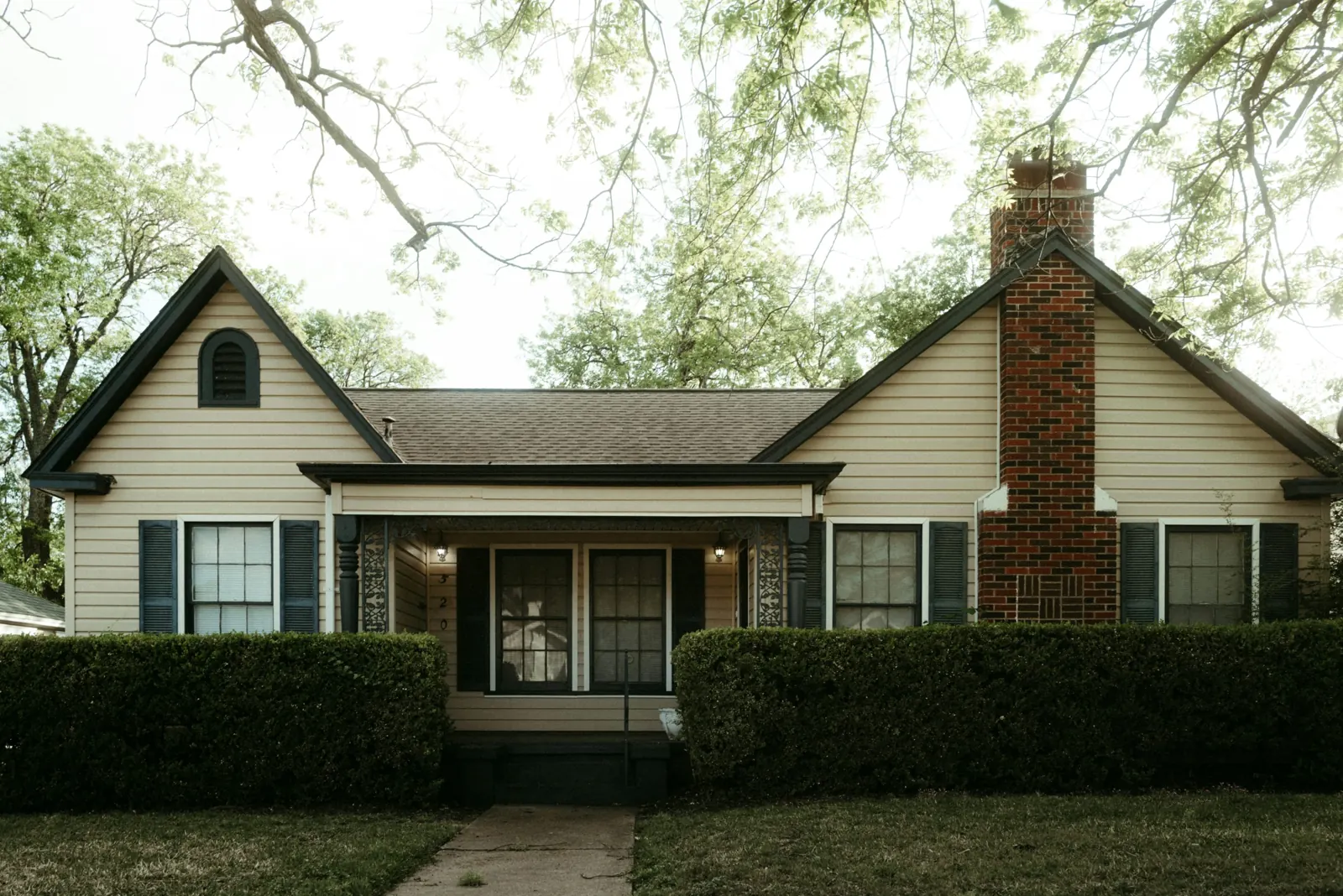
To build a fire in a fireplace, open the damper all the way, warm the flue with a lit natural fire starter, then stack it upside down: big split logs on the bottom, smaller pieces crossed on top, kindling and a starter on the very top. Light it from the top. It catches fast, smokes less, and burns for hours.
Quick answer:
- Damper fully open before the match. Every time.
- Warm the flue first so smoke goes up, not into the living room.
- Build top-down: big logs bottom, kindling and starter on top.
- Dry, split wood only. No paper, cardboard, or wrapping.
- Screen closed, kids and pets 3 feet back, fire out before bed.
The first cold front of the season rolls into DFW, the family is home, and somebody says the magic words: "Let's light a fire." Ten minutes later the smoke alarm is singing, the dog is hiding under the bed, and Grandma is fanning the hallway with a magazine. A good fire makes that room the one everybody drifts into. Here is how to build one that lights on the first try.
What is the best way to build a fire in a fireplace?
The top-down fire is the best way for most homes. You flip the old "kindling on the bottom" habit upside down, and the fire burns downward through the stack. It needs less tending, sends less smoke into the room while the chimney warms up, and leaves you with a deep bed of coals.
Why it works: the small stuff on top burns hot and fast, right next to the flue, so the chimney starts drafting sooner. As it burns down, it drops coals onto the bigger logs below. You get to sit on the couch with cocoa instead of poking a smoky pile.
How do you build a top-down fire, step by step?
Open the damper, warm the flue, stack big to small, and light the top. Here is the full play:
- Open the damper all the way. Reach up with a flashlight and make sure the damper plate is fully open. If it sticks or you can't tell, stop and have it checked.
- Clear the grate, keep a thin ash bed. Scoop out old ashes but leave about an inch under the grate. EPA says a thin ash bed helps insulate hot coals.
- Warm the flue. Set a lit natural fire starter on the grate right under the open damper and give it a minute, until you feel the draft pull upward.
- Lay the big logs on the bottom. Set two or three split, dry logs side by side on the grate with a finger-width gap between them for air.
- Cross smaller pieces on top. Lay a second layer of smaller split wood across the first, the way you'd build a log cabin roof.
- Add kindling and a starter on the very top. Top it with a handful of small dry kindling and one natural fire starter.
- Light it from the top and close the screen. Light the starter, then close the screen or glass doors. The fire burns down through the stack on its own.
Hack: Bring tomorrow night's kindling inside tonight. The EPA's fire-starting tips say wood brought in the night before warms to room temperature and lights better.
Kid job: Let the kids be the official kindling crew. A basket, small sticks, and a very serious title. Full kindling bin, happy kids.
Why does my fireplace smoke when I light it?
Smoke rolls into the room when the chimney is not drafting yet, the damper is partly closed, or the wood is wet. Fix the first two before you light, and burn only dry wood.
A cold chimney is full of cold, heavy air. Until it warms, that air can push down and shove smoke back at you. That's why warming the flue matters. EPA notes that natural fire starters help warm the flue so it starts drafting sooner. Wet wood is the other big one. It hisses, smokes, and barely heats. Knock two pieces together: dry wood sounds hollow, wet wood goes "thud."
Still smoky? Read our guide to fireplace smoke coming into the house.
Top-down vs. traditional fire: which is better?
Top-down wins for most families. The traditional teepee still works, but it takes more babysitting.
| Top-down fire | Traditional (kindling on bottom) | |
|---|---|---|
| Smoke at startup | Less, because the hot part sits by the flue | More, until the logs catch |
| Tending | Little. Builds once, burns down on its own | Frequent poking and adding logs |
| Collapse risk | Low. The stack is stable | Higher. Teepees fall and roll |
| Coal bed | Deep and even | Uneven |
What should you never put in a fireplace fire?
Only dry, split firewood belongs in the firebox. The U.S. Fire Administration says not to burn paper in your fireplace. That includes the gift wrap pile after the kids tear into presents. Use a natural fire starter instead of newspaper. For the full list, see what not to burn in a fireplace.
House rules from the same USFA card:
- Keep anything that can burn at least 3 feet from the fireplace. That includes stockings, toys, and the dog bed.
- Keep a glass or metal screen in front of the fire.
- Put ashes in a metal container with a lid, outside, at least 10 feet from the house.
- Have the chimney inspected and cleaned each year by a professional.
What our techs see
The fireplaces that smoke out a living room usually have a story we can read from the firebox. We find dampers that were never fully opened, flues still blocked by last spring's nest or leaves, and fireboxes stacked so tight with logs that no air can get between them. A tidy fire, a clean flue, and a metal ash can solve most of what we get called about after the first cold snap.
Where DIY stops
Building the fire is your job. Stop and call a pro if the damper won't open or close, if smoke keeps coming in after you've warmed the flue, if you see cracks in the firebox, if you smell a strong campfire odor in the house when the fireplace is cold, or if the chimney hasn't been swept in over a year. Those point to a chimney problem, not a fire-building problem.
Get your chimney ready before the first fire
1st Choice Residential is veteran-owned and has served homeowners since 2009. Our NFI-certified techs handle the chimney sweep with a camera inspection, so you see the inside of your flue before the family gathers around it. Chimney sweep and camera inspection is $199 in DFW and on the Gulf Coast, backed by a 1-year workmanship warranty.
- Dallas-Fort Worth: DFW chimney and fireplace service, call (817) 791-4606
- Mobile and Baldwin County, AL: call (251) 272-1990
- East Cincinnati, OH: Cincinnati chimney sweeps ($249, sweep and inspection only), call 513-450-8799
Book your chimney sweep online.
Building a fire in a fireplace: FAQ
What is the best way to build a fire in a fireplace?
Open the damper, warm the flue with a natural fire starter, and build a top-down fire: two or three split logs on the grate, smaller pieces crossed on top, kindling and a starter on the very top. It lights from above, smokes less, and needs little tending. 1st Choice Residential techs recommend it for DFW wood-burning fireplaces.
Why does my fireplace smoke when I first light it?
Most first-light smoke comes from a cold flue full of heavy air pushing down, a closed or half-open damper, or damp wood. Warm the flue first with a lit fire starter set under the open damper, and burn only dry, split wood. If smoke still rolls into the room, have the chimney swept and inspected before the next fire.
Should the damper be open when you start a fire?
Yes. The damper has to be fully open before you strike a match, and it stays open until the fire is completely out and the ashes are cold. A closed damper sends smoke and carbon monoxide into the room. Check it with a flashlight: you should see daylight or the dark flue above, not a metal plate.
How do you get rid of fireplace ashes safely?
Let ashes cool, then shovel them into a metal container with a lid and set it outside at least 10 feet from your home, as the U.S. Fire Administration advises. Never use a paper bag, a cardboard box, or a plastic trash can. Ashes can hold live coals for days, even when they look cold and gray.
Do you do chimney sweeps in Cincinnati?
Yes. 1st Choice Residential offers chimney sweeps and chimney inspections in east Cincinnati, Ohio, including Anderson Township, Milford, Loveland, and Mason. In the Cincinnati area we do sweeps and inspections only. Call 513-450-8799 to book a Cincinnati chimney sweep before you build your first fire of the season.
Written by the 1st Choice Residential team. Veteran-owned since 2009, NFI-certified techs, serving DFW, Mobile & Baldwin County, and east Cincinnati.