
1st Choice Residential journal
Signs of a Chimney Fire: What It Sounds Like and What to Do
Loud popping, a freight-train roar, dense smoke and a hot smell are the signs of a chimney fire. Learn what to do in the first minute and how to keep your family safe.
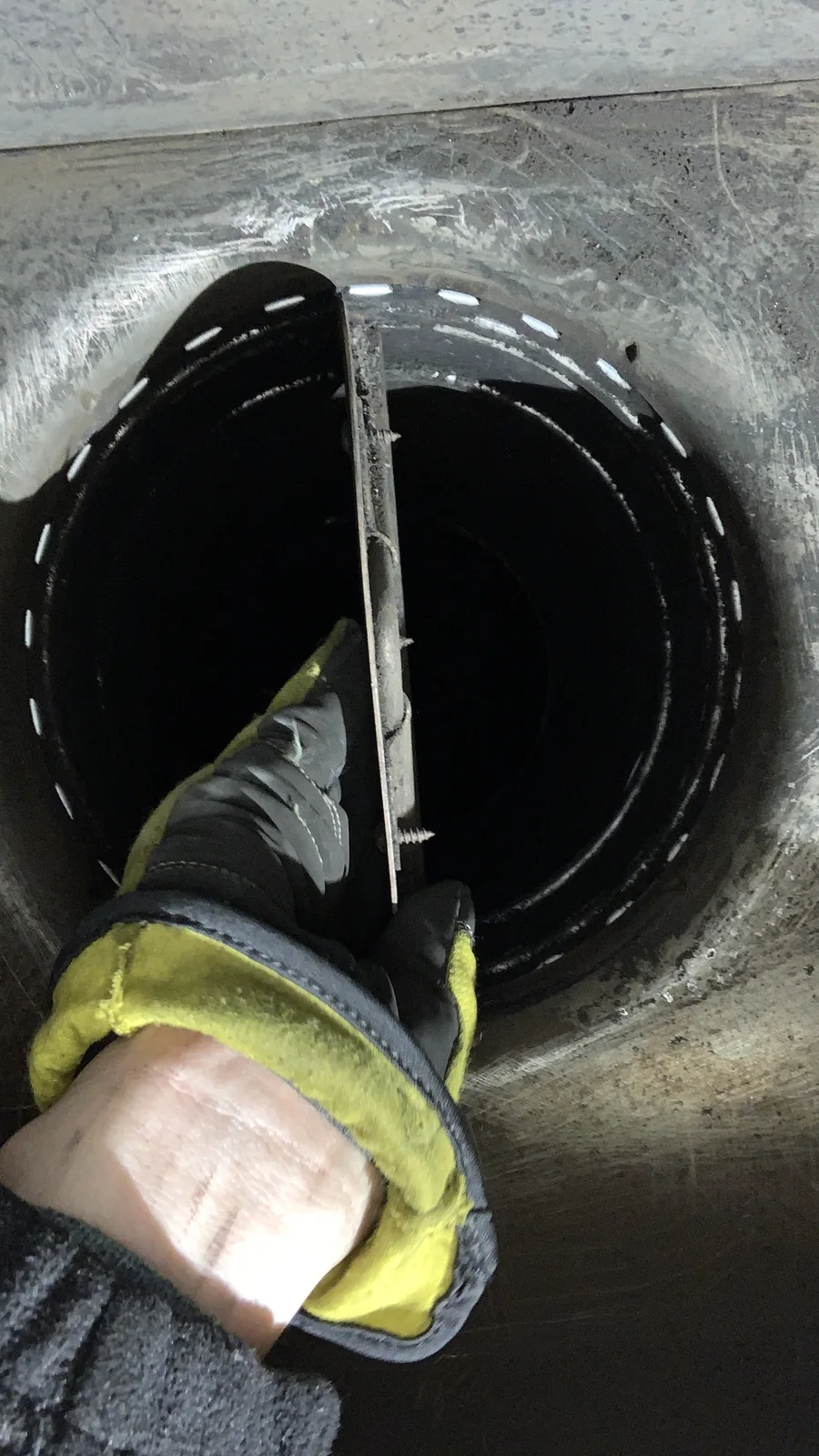
Quick answer: The signs of a chimney fire are a loud cracking and popping noise, a low roar like a freight train, dense smoke, an intense hot smell, and sometimes flames or sparks shooting from the chimney top. If you notice any of these, get everyone out of the house and call 911 from outside.
The signs of a chimney fire are loud cracking or popping, a deep rumbling roar, thick smoke pouring into the room or out of the chimney top, and a hot, sharp smell. Most chimney fires are quieter than that, though. Many give no sign at all until a sweep finds the damage later. That is why an annual inspection matters.
Picture it. First cold night of the year. Kids in pajamas, marshmallows on sticks, Grandma in the good chair. Then the fireplace starts sounding like a train is coming through the living room. A freight train is only fun on a model railroad. Here is what that noise means and what to do next.
What are the signs of a chimney fire?
A fast-burning chimney fire is loud, smoky, and hot enough that neighbors can notice it. The Chimney Safety Institute of America describes the classic signs as a loud cracking and popping noise, a lot of dense smoke, and an intense, hot smell. Homeowners also report a low rumble that sounds like a freight train or a low-flying airplane.
- Sound: cracking, popping, or a steady roar coming from inside the wall or above the firebox, not from the logs.
- Smoke: thick smoke rolling into the room even with the damper open, or a dark plume pouring from the chimney top.
- Smell: a hot, sharp, tar-like smell that is stronger than normal wood smoke.
- Sight: flames or sparks shooting out of the chimney top, or burning flakes landing on the roof or yard.
What should you do during a chimney fire?
Get out and call 911. Do not try to fight it from the roof. A chimney fire can burn around 2,000°F, according to CSIA. That is hot enough to crack flue tiles and reach the wood framing around the chimney. This is a job for the fire department, every time.
- Get everyone out of the house, kids and pets first. Do not stop for shoes or phones.
- Call 911 from outside. Tell them you think it is a chimney fire.
- Stay out until firefighters say it is safe to go back in.
- Do not climb on the roof, and do not pour water down the flue. Cold water on hot tile and masonry can crack it.
- Do not light another fire until the chimney has been swept and inspected, even if it "seems fine."
Can a chimney fire happen without you knowing?
Yes. Most chimney fires are never noticed. CSIA says the majority of chimney fires go undetected. Slow-burning fires do not get enough air or fuel to roar, but they still reach very high temperatures and can damage the chimney and nearby parts of the house just as badly.
Here is what a sweep looks for after a suspected fire:
| What we find | What it usually means | Can you see it yourself? |
|---|---|---|
| Puffy, honeycombed creosote | Creosote that already burned and expanded | Sometimes, with a flashlight above the damper |
| Warped damper or metal parts | Heat far above normal fire temperatures | Yes, if the damper sticks or will not seal |
| Cracked or missing flue tiles | Thermal shock from a fast, hot burn | No. It takes a camera |
| Bent or discolored chimney cap | Flames or extreme heat at the top of the flue | Yes, from the ground with binoculars |
| Creosote flakes on the roof or ground | Burning creosote was blown out the top | Yes |
| Cracks in outside masonry or smoke leaking through mortar joints | The flue is no longer sealed | Yes, when the fireplace is in use |
If two or more of those ring a bell, stop using the fireplace and have it inspected. Our guide to cracked flue tiles explains why a camera finds damage a flashlight cannot.
What causes a chimney fire?
Creosote. Clean chimneys do not catch fire. Creosote is the tar-like residue that smoke leaves on the inside of the flue. It can be flaky, sticky, or hard and shiny, and all of it burns. Our article on the three stages of creosote shows why the shiny stage is the hardest to remove.
Creosote builds fastest when:
- You burn wet or green wood. Split it and let it dry before it goes in the fireplace.
- The fire is starved for air, like a damper only half open or glass doors shut on a smoldering fire.
How do you prevent a chimney fire this season?
Have the chimney swept and inspected once a year, and burn dry wood hot. The U.S. Fire Administration tells homeowners to have chimneys cleaned and inspected every year by a professional, and to keep anything that can burn at least 3 feet from the fireplace. Your part this week:
- The knock test: knock two pieces of firewood together. Dry wood makes a sharp crack. Wet wood makes a dull thud, like a dad joke landing at a teenager's birthday party.
- Burn small and hot: two or three split logs with good airflow beat one giant log smoldering all night.
- Open the damper all the way before you light anything. Kids love being the official damper checker. Give them the job.
- Never burn wrapping paper, cardboard, or a dried-out holiday tree. They flash hot and send burning bits up the flue.
- Clear 3 feet in front of the hearth: stockings, toys, blankets, and the dog bed.
Do that, and the fireplace stays the best room in the house, where the holiday photos get taken.
What our techs see
The fireplaces that worry our technicians most are not the ones that roared. They are the ones that "just smelled funny for a while." We regularly pull flakes of puffy, already-burned creosote out of flues whose owners never knew anything happened. Nothing looked wrong from the living room. That is the honest case for a camera inspection: the flue is the one part of the fireplace you cannot see.
Where DIY stops
You can watch for the signs, burn dry wood, and keep the hearth clear. You cannot safely judge a flue after a suspected chimney fire from below. If you heard a roar, saw flakes on the roof, or find a warped damper, stop using the fireplace and book a chimney sweep and camera inspection.
Where we serve
1st Choice Residential sweeps and inspects chimneys in three markets, each with its own local phone line:
- Dallas–Fort Worth: (817) 791-4606. Chimney sweep plus camera inspection $199.
- Mobile and Baldwin County, AL: (251) 272-1990. Chimney sweep plus camera inspection $199.
- East Cincinnati, OH: 513-450-8799. Chimney sweep and inspection only, $249.
Every job carries our 1-year workmanship warranty. Book your sweep online and get it done before the holiday guests arrive.
Signs of a chimney fire: FAQ
What does a chimney fire sound like?
A fast chimney fire sounds like loud cracking and popping, often followed by a low, steady roar that people compare to a freight train or a low-flying plane. The sound comes from inside the chimney, not the logs. If you hear it, get everyone outside and call 911. Chimney sweeps from 1st Choice Residential can inspect the flue afterward.
Can a chimney fire go out on its own?
Yes, many chimney fires burn out on their own, and most are never noticed at all. That does not mean the chimney is safe. A slow chimney fire can still crack flue tiles and warp metal parts. If you suspect one, stop using the fireplace until a chimney sweep and camera inspection confirms the flue is sound.
How often should a chimney be swept to prevent chimney fires?
Have the chimney inspected once a year and swept whenever the inspection finds creosote buildup. The U.S. Fire Administration recommends yearly cleaning and inspection by a professional. 1st Choice Residential offers a chimney sweep plus camera inspection for $199 in Dallas–Fort Worth, Mobile, and Baldwin County.
Is it safe to use my fireplace after a chimney fire?
No, not until it has been swept and inspected. A chimney fire can reach about 2,000°F, which can crack flue tiles, displace mortar, and open a path for heat to reach the wood framing of the house. A camera inspection shows whether the flue needs repair before the next fire is lit.
Do you do chimney sweeps in Cincinnati?
Yes. 1st Choice Residential offers chimney sweep and inspection service in east Cincinnati, including Cincinnati, Anderson Township, Milford, Loveland, and Mason. It is sweep and inspection only, priced at $249. Call 513-450-8799 to book a chimney sweep in the Cincinnati area.
Written by the 1st Choice Residential team. Veteran-owned since 2009, NFI-certified techs, serving DFW, Mobile & Baldwin County, and east Cincinnati.