
1st Choice Residential journal
Is Your Chimney Damper Actually Sealing? Throat vs. Top-Sealing Dampers in DFW
A damper that looks closed can still leak heat 24/7/365. Here's how throat and top-sealing dampers differ, how to tell which one's failing, and what fixes it.
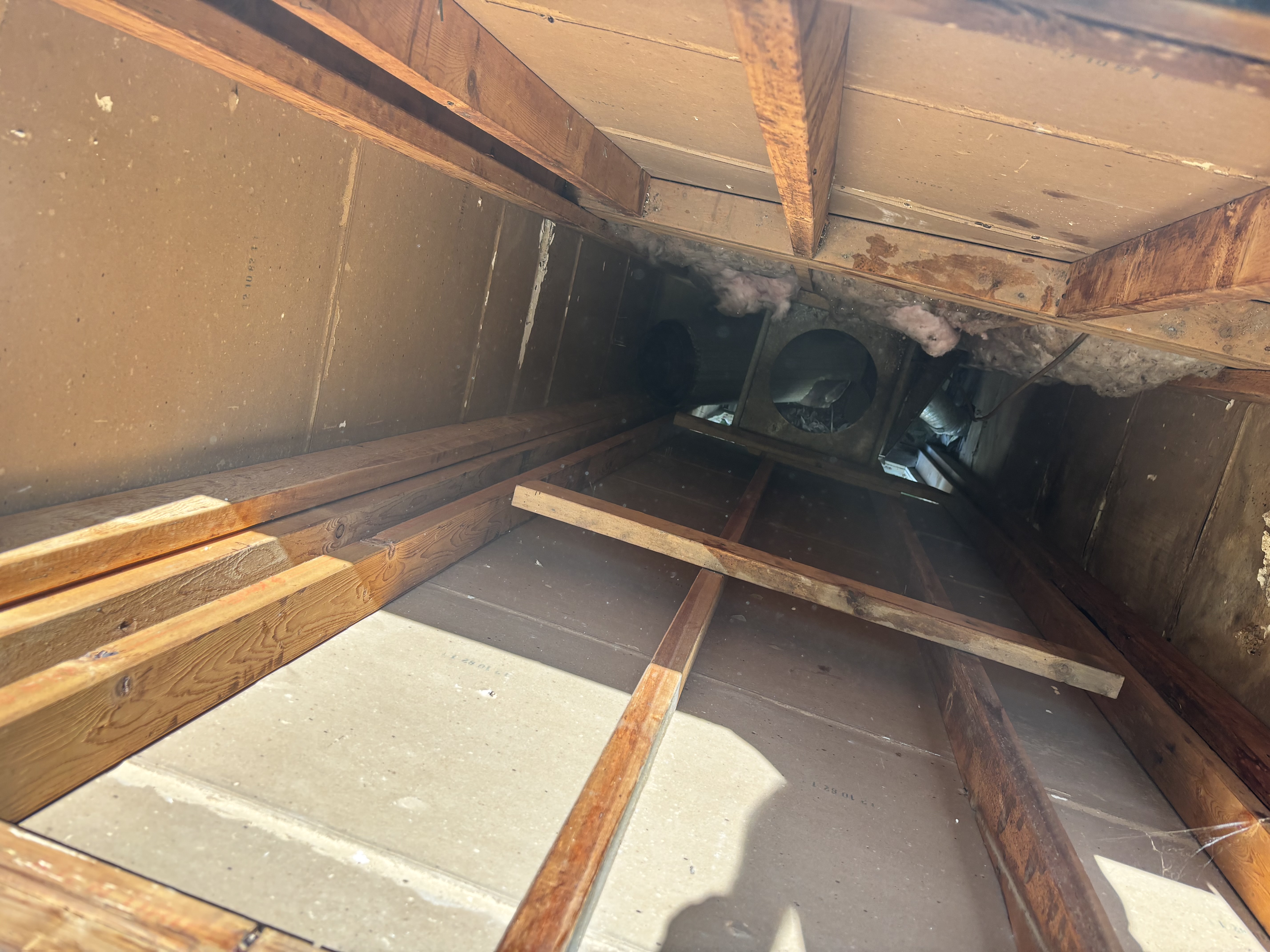
You closed the damper back in March. It's been closed all summer. So why, on the first cold morning in November, does the air near your fireplace feel like it's coming from outside?
Because a damper that looks closed and a damper that actually seals are two different things. Most fireplaces built before the last decade or so have a throat damper — a flat cast-iron plate sitting just above the firebox, opening and closing on a cast-iron frame. Cast iron warps with every heat cycle. After a few years of fires, that plate stops sitting flush in its frame. The handle still moves. The flue doesn't actually close.
That gap is a straight shot from your living room to the outside, running twenty-four hours a day, three hundred sixty-five days a year — not just while a fire's going.
How much a leaky damper really costs you
This isn't a minor drafty-window problem. According to Purdue University's Cooperative Extension Service, fireplaces account for roughly 14% of the average home's air-leak losses — more than windows, more than electrical outlets, and behind only structural gaps (floors, walls, ceilings) and ductwork. You can read the full breakdown in Purdue Extension's home energy-loss guide.
A damper that doesn't fully seal isn't an occasional leak. It's a hole in your house that happens to have a plate loosely covering it. In a DFW winter, that means your furnace is fighting to replace warm air that's pouring straight up the flue while you sleep. In August, it's the reverse — your AC is losing cooled air the same way.
Throat dampers vs. top-sealing dampers
There are two different mechanisms doing this job, and they don't fail the same way or get fixed the same way.
| Throat Damper | Top-Sealing Damper | |
|---|---|---|
| Location | Just above the firebox, inside the smoke chamber | At the very top of the flue, on the chimney crown |
| Seal type | Metal plate resting on a metal frame | Rubber gasket compressed by spring tension |
| Common failure | Warps from heat cycling; rusts from moisture sitting in the smoke chamber | Cable stretches or seizes; gasket hardens over years |
| Bonus function | None — the flue above it is still exposed to weather and animals | Doubles as a chimney cap, keeping rain and animals out of the whole flue |
| Typical fix | Repair or replace the plate and frame | Replace the gasket and cable, or the whole unit |
Signs your damper has failed
- You feel a draft near the hearth in cold weather even though no fire is lit and the handle says "closed."
- The handle feels loose, wobbly, or takes real effort to move.
- Shining a flashlight up the flue with the damper "closed" shows daylight around the edges of the plate.
- You notice a musty, animal, or outdoor smell coming from the fireplace — an open flue lets in more than just air.
- Your heating or cooling bill runs noticeably higher than a similar-sized home nearby with no fireplace.
A damper matters even if you never build a fire
Homeowners with gas fireplaces sometimes assume the damper question doesn't apply to them. It does. Most gas fireplace inserts and log sets still vent through the original masonry flue, and building code requires the damper to stay in the fully open position whenever the gas appliance is running — but that same flue needs to seal completely the rest of the time, or you're heating and cooling the outdoors on a fireplace you rarely use.
DIY stops here — here's why
You can do the flashlight check yourself, and you should — it takes two minutes and tells you whether you have a problem. A fireplace draft stopper (an inflatable "chimney balloon") is also a reasonable short-term patch if you're not burning fires that season.
But actually fixing a warped throat damper means working inside the smoke chamber, often blind, to free and reseat a rusted plate without cracking the surrounding masonry. Installing a top-sealing damper means a technician on your roof, running a cable down the flue to a release handle at the hearth, and getting the gasket seated correctly against the crown. Neither is a stepladder job, and getting it wrong can mean a damper that doesn't fully open — which is a carbon monoxide problem the next time someone lights a fire.
A chimney sweep with camera inspection ($199) is the right first step. It tells you exactly what kind of damper you have, whether it's warped, rusted, or just needs adjustment, and whether a repair or a top-sealing replacement makes more sense for your chimney. Chimney caps — including top-sealing dampers, which do that job too — start at $99. All work carries our 1-year workmanship warranty.
If you're in the Dallas–Fort Worth area, you can start with a chimney sweep and camera inspection or go straight to chimney cap and damper options. Either way, book online and we'll tell you straight whether you need a repair or a full replacement — not just sell you the bigger job.
FAQ
How do I know if my chimney damper is sealing properly?
Close the damper, then shine a flashlight up into the flue from the firebox. If you see daylight or a visible gap around the edges of the plate, it isn't sealing. A wobbly handle or a draft you can feel near the hearth on a cold, calm day are the other two most common signs.
What's the difference between a throat damper and a top-sealing damper?
A throat damper sits just above the firebox and is usually a cast-iron plate on a cast-iron frame. A top-sealing damper sits at the very top of the chimney and uses a rubber gasket under spring tension, operated by a cable down to a handle at the hearth. Top-sealing dampers also function as a chimney cap, since they cover the whole flue opening.
Can I install a top-sealing damper myself?
We don't recommend it. It requires working at the chimney crown, sizing and mounting the unit to your specific flue, and routing the release cable through the damper's throat down to the hearth. A poor seal or misaligned cable can leave the damper unable to fully open, which is a real safety issue the next time you build a fire.
Does a leaky damper matter if I have a gas fireplace?
Yes. Code requires the damper to stay open while a gas appliance is running, but the rest of the time that same flue should seal completely. A damper that doesn't seal is venting conditioned air out of your home year-round, gas fireplace or not.
How much does it cost to fix a chimney damper?
A chimney sweep and camera inspection is $199 and tells you exactly what's wrong. Chimney caps and top-sealing dampers start at $99; a full throat damper repair or top-sealing conversion is quoted after the inspection, since a rusted plate and a warped frame aren't the same job. All work carries a 1-year workmanship warranty.