
1st Choice Residential journal
Fireplace Smoke Coming Into the House? 7 Real Causes (and How to Fix Each One)
Smoke pouring into the room instead of up the chimney? Most smoky fireplaces come down to 7 causes — damper, cold flue, wet wood, house pressure, or a blockage.
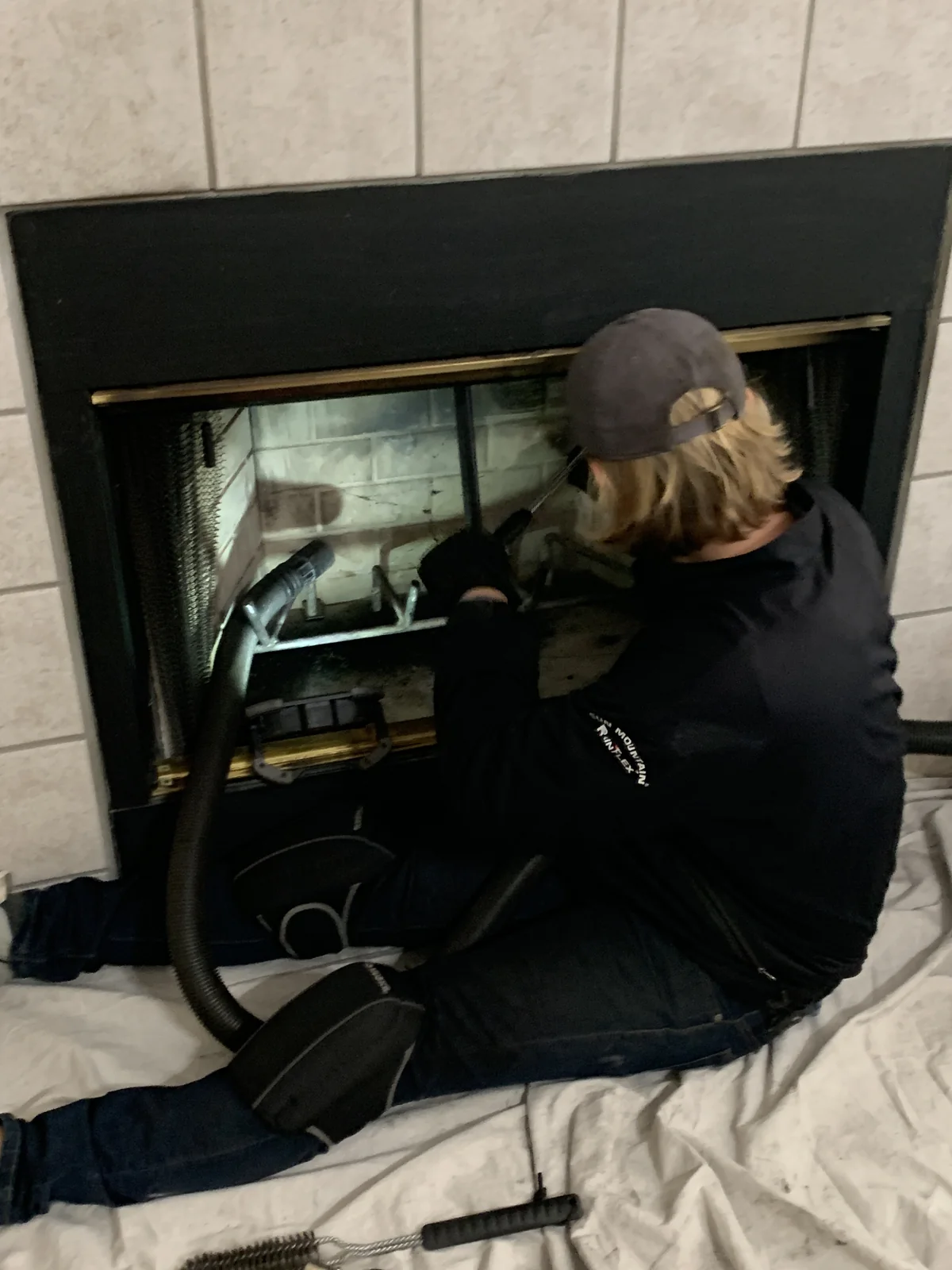
You stack the wood, light the fire, and thirty seconds later smoke is rolling out of the firebox and into your living room. Your smoke alarm is screaming, your eyes are burning, and you're throwing open windows in the middle of winter. If that sounds familiar, you're dealing with one of the most common fireplace problems there is — and in most cases, one of the most fixable.
A fireplace that smokes into the house is telling you one thing: air is not moving up the chimney the way it should. That's called a draft problem. Here's how to figure out which of the 7 causes is behind yours, which fixes you can do tonight, and when it's time to get a technician on your roof.
Try These Quick Fixes First
Before you diagnose anything, run through this list. These five steps solve a big share of smoky-fireplace calls:
- Open the damper all the way. Not halfway. Reach up into the firebox (before lighting) and confirm the plate is fully open.
- Warm the flue before you light the fire. Roll up a piece of newspaper, light it, and hold it up near the damper for a minute or two. Cold air in the chimney acts like a plug.
- Crack a window a couple of inches in the same room. If the smoke stops, your house has a pressure problem (more on that below).
- Turn off exhaust fans. Kitchen hoods, bathroom fans, and clothes dryers all pull air out of the house — and can pull smoke out of your fireplace.
- Burn only dry, seasoned wood. Wet wood smolders, and smoldering fires make weak drafts and lots of smoke.
If you've done all five and smoke still pours in, keep reading.
The 7 Real Causes of a Smoky Fireplace
1. The damper isn't fully open — or it's stuck
The simplest cause is still the most common. Dampers rust, warp, and jam, especially in humid climates and in fireplaces that don't get used much. If your damper handle moves but the fireplace still smokes, the plate may be corroded partly shut even when the handle says "open." A technician can confirm this in minutes during a chimney sweep and camera inspection.
2. A cold flue is pushing air down instead of up
Chimneys work on a simple principle: hot air rises. But when your flue is full of cold, heavy air — common when the chimney runs up an exterior wall — that cold column sinks into the house. Light a fire under it and the smoke follows the airflow: down and in. This is why fireplaces often smoke for the first five minutes and then behave. Priming the flue with a rolled-up newspaper torch breaks the cold plug before you light the real fire.
3. Your firewood is wet or unseasoned
Freshly cut wood can be close to half water by weight. All that moisture keeps the fire cool, and a cool fire can't generate the strong rising air current a chimney needs. Worse, cool smoke condenses inside the flue as creosote — the highly flammable residue that fuels chimney fires, according to the Chimney Safety Institute of America. Burn wood that has dried for at least six months and cracks at the ends. A $15 moisture meter takes the guesswork out: you want under 20%.
4. Your house is starving the fire of air
Newer and recently renovated homes are sealed tight for energy efficiency. That's great for your utility bill, but a fire consumes a lot of air, and that air has to come from somewhere. When it can't leak in through gaps, the house goes into negative pressure — and the chimney becomes the easiest place to pull air in, dragging smoke with it. Exhaust fans and even a furnace kicking on make it worse. The test: crack a window near the fireplace. If the smoke clears, air starvation is your problem, and an outside-air kit or a slightly opened window during fires is the fix.
5. The flue is blocked
Bird nests, leaves, a failed chimney cap screen, or heavy creosote buildup can choke a flue down to a fraction of its size. If your fireplace used to draft fine and suddenly smokes, suspect a blockage first — especially after spring nesting season or a storm. Don't guess on this one. A blocked flue doesn't just push smoke in; it can push carbon monoxide in. This is exactly what a camera inspection is for.
6. The chimney is too short — or the flue is the wrong size
Draft strength depends on chimney height and on the ratio between the fireplace opening and the flue. A chimney that barely clears the roofline, or a big open firebox venting through an undersized flue, will smoke no matter how dry your wood is. These are construction problems, not maintenance problems. Fixes range from a smoke guard (a metal strip that shrinks the fireplace opening) to extending the flue.
7. Wind is blowing smoke back down
Nearby trees, a taller roofline, or gusty weather can create downdrafts that shove smoke back into the house in puffs. If your fireplace only smokes on windy days, a properly designed chimney cap — from $99 installed — is usually the cure. A cap also keeps out the rain, animals, and debris that cause problem #5.
Match Your Symptom to the Cause
| What you notice | Most likely cause | The fix |
|---|---|---|
| Smokes only for the first few minutes | Cold flue | Prime the flue before lighting |
| Smokes the entire burn | Damper, blockage, or flue sizing | Camera inspection |
| Smokes when kitchen or bath fan runs | Negative house pressure | Crack a window; add outside air |
| Smokes only on windy days | Downdrafts | Chimney cap |
| Fire hisses, smolders, smokes heavily | Wet wood | Burn seasoned wood under 20% moisture |
| Sudden change from normal | Blockage or failed damper | Sweep + inspection |
When Smoke Is a Warning Sign
Most smoky fireplaces are an airflow nuisance. But two of the causes above — blocked flues and creosote buildup — are genuine safety hazards. Creosote forms fastest under exactly the conditions that make fireplaces smoke: restricted air, unseasoned wood, and a cool flue. And the same blockage that pushes smoke into your room can push carbon monoxide in with it.
That's why NFPA 211, the national standard for chimneys and fireplaces, calls for chimneys to be inspected at least once a year and cleaned or repaired as needed. If your fireplace has started smoking and you can't trace it to wet wood or a closed damper, get it looked at before you burn again.
Frequently Asked Questions
Why does my fireplace only smoke when I first light it?
The flue is cold. A chimney full of cold air pushes down into the house until the fire heats it up. Hold a lit, rolled-up newspaper near the damper for a minute or two before lighting the fire to reverse the airflow first.
Why does my fireplace smoke when the kitchen exhaust fan is on?
Exhaust fans pull air out of the house, and in a tightly sealed home the replacement air comes down the chimney — bringing smoke with it. Turn off exhaust fans while a fire is burning, or crack a window in the fireplace room.
How long should firewood dry before burning?
At least six months, and a full year for dense hardwoods like oak. Properly seasoned wood is gray at the ends, cracked, lighter than fresh wood, and reads under 20% on a moisture meter.
Is a smoking fireplace dangerous?
The smoke itself is unhealthy to breathe, and the underlying cause can be serious: a blocked flue can also force carbon monoxide into your home, and the conditions that cause smoking also speed up creosote buildup — the fuel for chimney fires. If the cause isn't obviously wet wood or a closed damper, stop using the fireplace until it's inspected.
What does a chimney inspection cost?
We charge $199 for a full chimney sweep with a camera inspection, so you see exactly what your flue looks like inside — no scare tactics, just footage.
Get Your Fireplace Fixed Before Burn Season
1st Choice Residential is veteran-owned and has been servicing fireplaces and chimneys since 2009, with NFI-certified technicians, 500+ five-star reviews, and a 1-year workmanship warranty on our work. We serve Dallas–Fort Worth and the Alabama Gulf Coast, including Mobile and Baldwin County.
A $199 chimney sweep + camera inspection will find the cause of your smoky fireplace and knock out the creosote at the same time. Book online here, or call us: DFW (817) 791-4606 · Gulf Coast (251) 272-1990 · iMessage 817-946-8206.