
1st Choice Residential journal
How to Waterproof a Chimney Before a Wet Winter in Baldwin County
How to waterproof a chimney in Baldwin County: cap the flue, seal the crown, fix flashing, then use a breathable repellent. Never paint brick. Prep for a wet winter.
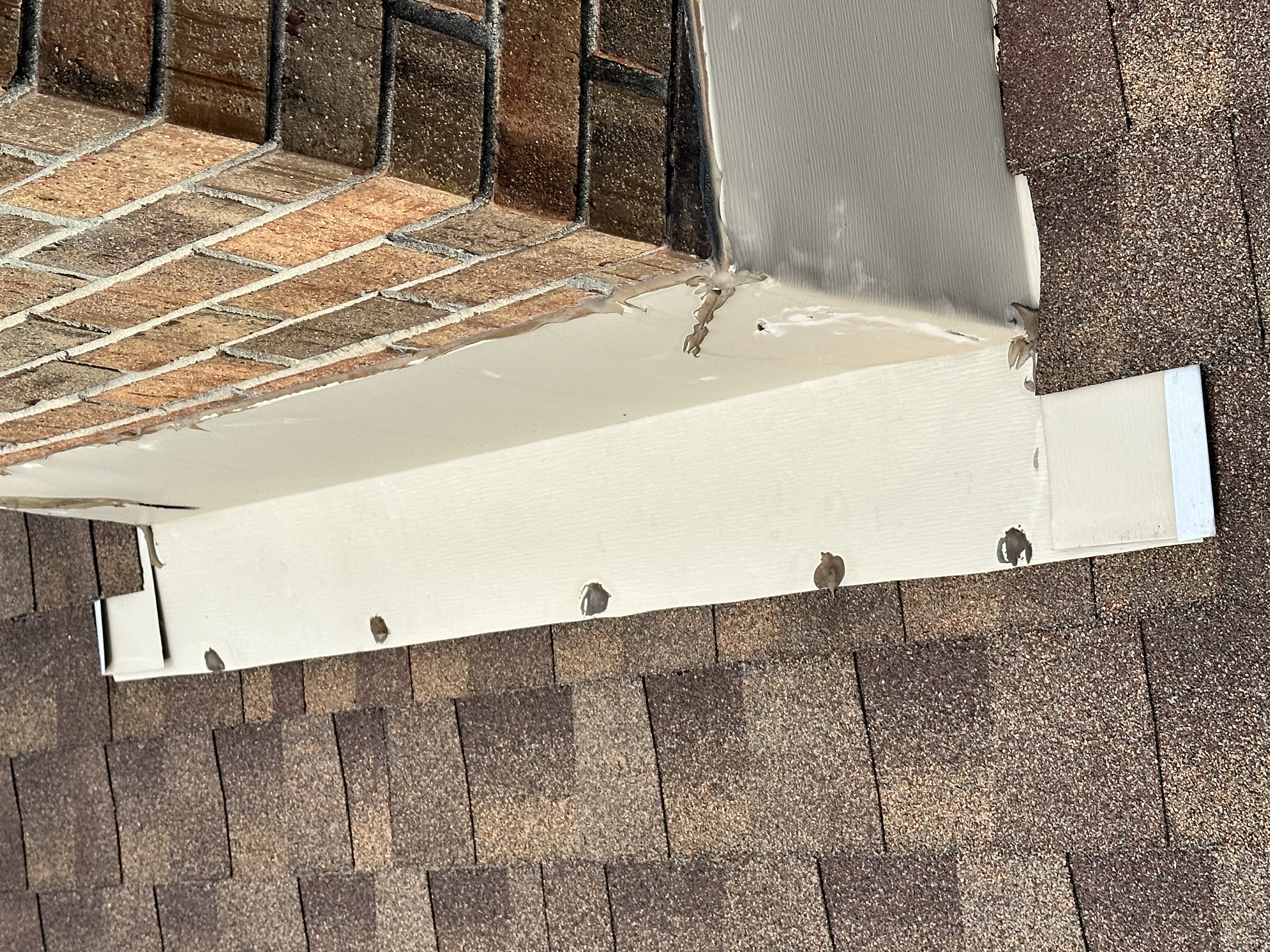
To waterproof a chimney, stop the water where it gets in first. Put a cap on the flue, seal cracks in the crown, and make sure the flashing at the roofline is tight. Only then should you treat clean, dry brick with a breathable penetrating water repellent. Never paint chimney brick or coat it with a glossy sealer.
Quick answer
- Cap first. A chimney cap from $99 keeps rain straight out of the flue.
- Crown second. Hairline cracks get a crown sealer; big cracks need repair.
- Flashing third. Gaps where the chimney meets the roof cause most "chimney" leaks.
- Repellent last. Breathable and penetrating only, on dry brick.
Why now? The U.S. Geological Survey says the 2026 Super El Niño is expected to push a stronger jet stream across the Southeast, with above-average winter rain along the Gulf Coast and more heavy rain events (USGS). In Baldwin County, that means your chimney is about to get a lot of practice holding off water. Better to find the weak spots now than at 9 PM on Christmas Eve with a bucket on the hearth and the grandkids asking why Santa's entrance is dripping.
How do you waterproof a chimney?
You waterproof a chimney in layers, from the top down. Each layer handles a different kind of water, and skipping one leaves a hole the others cannot cover.
- Look from the ground with binoculars. Check for a missing or rusted cap, cracked crown, loose flashing and dark, wet-looking brick. Hack: do it the morning after a rain. Wet spots that stay dark longest show where water is sitting.
- Check the attic and ceiling. Water stains next to the chimney, a musty smell or damp insulation point to flashing, not the brick.
- Add or replace the chimney cap. An open flue is a rain funnel. A cap also keeps out birds, squirrels and the leaves your oak tree sends over every fall.
- Seal the crown. Hairline cracks in the concrete crown can be coated with a flexible crown sealer. Wide cracks or crumbling pieces mean the crown needs repair.
- Fix the flashing. Metal flashing should lie flat and be sealed where it meets the brick. Lifted edges or dried-out caulk let water run behind the roofing.
- Repoint bad mortar joints. Joints you can scratch out with a key need fresh mortar before any coating goes on.
- Apply a breathable water repellent. Only on clean, dry brick, during a dry spell, following the product label.
What kind of chimney sealer should you use?
Use a breathable, penetrating water repellent made for brick, never paint or a glossy film. The Brick Industry Association says penetrating repellents soak into the face of the brick and let water vapor escape, while film-forming products such as urethanes cut breathability (BIA Technical Note 6A). Brick that cannot breathe holds moisture, and trapped moisture is what makes brick faces pop off. We walked through that damage in Why Are My Chimney Bricks Crumbling?
| Product | What it does | Use on a chimney? |
|---|---|---|
| Penetrating water repellent (silane / siloxane) | Soaks in, repels rain, lets vapor out | Yes, on sound, dry brick |
| Film-forming clear sealer (acrylic, urethane) | Makes a shiny skin on the surface | No, traps moisture |
| Paint | Covers and seals the face | No, traps moisture and hides damage |
| Crown sealer (flexible coating) | Bridges hairline crown cracks | Yes, on the crown only |
| Chimney cap | Keeps rain and animals out of the flue | Yes, every flue |
Will waterproofing stop a chimney that already leaks?
Usually not. A water repellent is a raincoat, not a patch. The Brick Industry Association says coatings cannot fix water coming through bad caps, unfilled mortar joints or cracks wider than about 0.02 inch, so the leak has to be found and repaired first (BIA). If water shows up on your ceiling or in the firebox after every storm, start with why a chimney leaks when it rains.
Why does a wet winter matter for your fireplace?
A wet chimney is a weaker chimney, and winter is when the family gathers in front of it. Water rusts dampers and caps, softens mortar, and can soak a flue liner. The national fireplace and chimney standard, NFPA 211, calls for chimneys to be inspected every year for soundness and damage, and a rainy season is exactly when hidden damage grows (NFPA 211). Get it inspected, cleaned and confirmed safe before the first fire, and your living room stays the warm, cozy spot where everyone wants to be. Bonus: a dry, clean chimney drafts better, so no smoky surprise when Aunt Carol walks in.
What our techs see
On the Gulf Coast, the most common source of a "leaking chimney" our techs find is not the brick at all. It is flashing that has lifted at the roofline or a chimney with no cap, letting rain fall straight down the flue onto the damper. We also see chimneys that were painted or coated with a glossy sealer years ago, where moisture got trapped and the brick face started flaking underneath.
DIY stops here
Binoculars, attic checks and keeping gutters clear are yours. Roof work is not a DIY weekend. Call a pro for anything that means climbing onto the roof, resealing flashing, crown repair, repointing or a leak you cannot trace. That is roof-height work on wet shingles, and it is where people get hurt.
Where we serve and how to book
1st Choice Residential installs chimney caps from $99 and runs a full chimney sweep and camera inspection for $199, with a 1-year workmanship warranty. Anything beyond that, like flashing, crown or masonry repair, is quoted after inspection, because a lifted flashing edge and a cracked crown are not the same job.
- Baldwin County, Mobile and Pensacola: (251) 272-1990
- Dallas-Fort Worth: (817) 791-4606
Book your chimney inspection online and get your fireplace ready before the rain sets in.
Frequently asked questions
How do you waterproof a chimney in Baldwin County?
To waterproof a chimney in Baldwin County, AL, fix the parts that shed water first: a chimney cap, a sound crown and tight flashing at the roofline. Then, on clean, dry brick, apply a breathable penetrating water repellent made for masonry. 1st Choice Residential checks all three during a $199 sweep and camera inspection.
Should I seal my chimney bricks with paint or a clear sealer?
No. Do not paint or use a glossy film sealer on chimney brick. Those products trap water vapor inside the brick, and trapped moisture can make the face pop off. The Brick Industry Association recommends breathable penetrating repellents for exterior brick. 1st Choice Residential can tell you if your Baldwin County chimney needs one at all.
How much does a chimney cap cost on the Gulf Coast?
A chimney cap from 1st Choice Residential starts at $99 in Mobile and Baldwin County, AL. The final price depends on the flue size and whether one cap covers several flues. A cap is the cheapest way to keep rain, birds and squirrels out of a chimney before a wet winter.
Will a water repellent stop my chimney from leaking?
Usually not by itself. The Brick Industry Association says water repellents cannot fix leaks from bad caps, open mortar joints or cracks wider than about 0.02 inch. Find and repair the leak first. 1st Choice Residential traces chimney leaks in Baldwin County and Mobile with a camera before recommending any coating.
When is the best time to waterproof a chimney?
Waterproof a chimney during a dry stretch, before the wettest months. Brick should be clean and dry for a repellent to soak in. With a wetter than normal El Nino winter forecast for the Gulf Coast, late fall is a smart window for Baldwin County homeowners to get the cap, crown and flashing checked.
Written by the 1st Choice Residential team. Veteran-owned since 2009, NFI-certified techs, serving DFW and Mobile & Baldwin County.