
1st Choice Residential journal
Why Does My Fire Keep Going Out in the Fireplace? 7 Real Fixes
Fire keeps going out in the fireplace? Seven real causes, from wet wood and a half-open damper to kitchen fans and a blocked flue, plus the fixes DFW families can try.
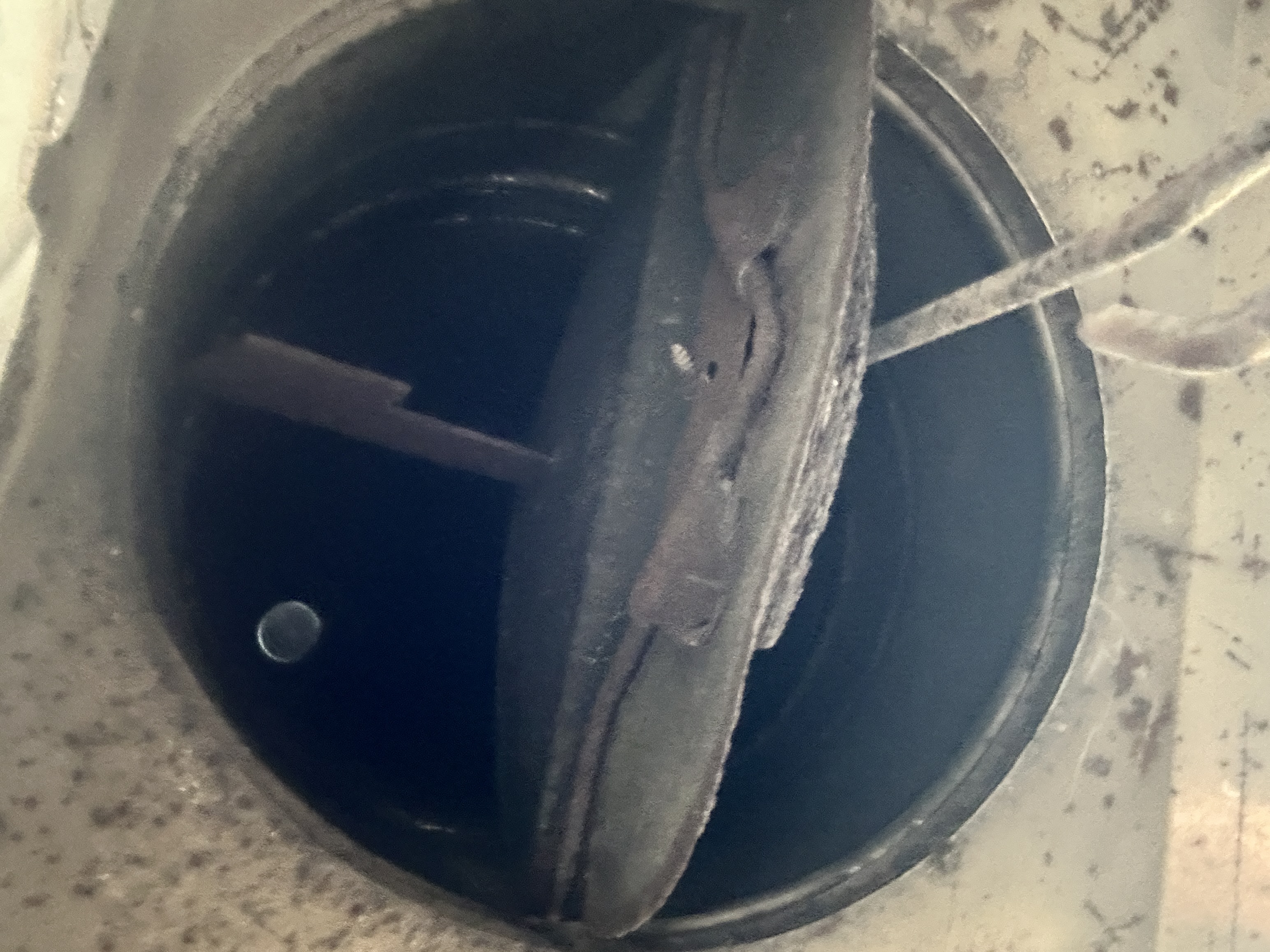
A fireplace fire keeps going out for one of four reasons: the wood is wet, the fire is starved for air, the flue is cold or blocked, or the logs are stacked wrong. Fix the wood first, open the damper all the way, warm the flue, and build a small, airy fire. If it still dies, have the chimney checked.
It is Thanksgiving week. The house is full, the grandkids want marshmallows, and you strike the match like a pro. Five minutes later you have a sad pile of smoking logs and an uncle offering "help." Let's get you a fire that stays lit, so the room everyone gathers in actually feels like the best seat in the house.
Quick answer
- Wet wood is the top cause. Burn wood under 20 percent moisture.
- Damper must be fully open, not halfway.
- Cold flue: warm it with a rolled, lit sheet of newspaper first.
- Air: open glass doors and crack a window if exhaust fans are running.
- Blocked chimney: smoke in the room plus a fire that dies means call a sweep.
Why does my fire keep going out in my fireplace?
Your fire keeps going out because it is missing heat, fuel it can burn, or air. Wet wood steals heat. A closed or partly closed damper, shut glass doors or a blocked flue steal air. Logs packed tight with no kindling never build enough heat to keep going.
Most of these are free fixes you can try tonight.
| Cause | What you notice | DIY fix |
|---|---|---|
| Wet or green wood | Hissing, bubbling ends, lots of smoke, little flame | Use seasoned wood; test with a moisture meter |
| Damper not fully open | Smoke rolls into the room right away | Open the damper all the way and check with a flashlight |
| Cold flue | Smoke pours in at lighting, then the fire fades | Warm the flue with a rolled, lit newspaper |
| Not enough kindling | Paper burns out, logs only char | Add a thick layer of thin, dry kindling |
| Logs packed too tight | Flames smother and die between logs | Leave finger-width gaps for air |
| House pulling air down the chimney | Fire dies when the range hood or dryer runs | Crack a nearby window an inch |
| Blocked flue or clogged cap screen | Smoke in the room even with dry wood | Stop burning and book a chimney sweep |
Is wet firewood why my fire won't stay lit?
Most of the time, yes. Wet wood is the number one reason a fire smolders and dies. The water inside the log has to boil off before the wood can burn, and that soaks up the heat your fire needs to keep going.
The EPA's Burn Wise guidance says wood burns best at a moisture content of less than 20 percent and should be seasoned for at least six months. Seasoned wood is darker, lighter and sounds hollow when two pieces knock together. Store it off the ground with only the top covered.
Hack: split a log and test the fresh face with a cheap moisture meter. If it reads high, that log is in timeout until next year.
Does a cold chimney make a fire go out?
Yes. A cold flue is full of heavy, cold air that wants to sink. When you light a fire, that air can push smoke back into the room and choke the flame before the draft gets going.
Open the damper. Roll a sheet of newspaper into a tube, light the end, and hold it up near the damper opening for a moment. When you feel the smoke start pulling up, light your fire. Your chimney just got its morning coffee.
How do I build a fire that won't go out?
Build it small, dry and airy. A fire that stays lit starts with more kindling than you think and fewer logs than you think. Here is the order that works:
- Open the damper all the way. Shine a flashlight up to confirm. Halfway open is a common culprit.
- Open the glass doors while the fire starts. Closed doors starve a young fire.
- Warm the flue with a rolled, lit sheet of newspaper.
- Lay crumpled paper under the grate, not packed tight.
- Add a thick layer of thin, dry kindling crisscrossed on the grate.
- Add two or three small split logs with gaps between them.
- Light the paper in two or three spots and let it build before you add a bigger log.
- Add wood one piece at a time once you have a bed of glowing coals.
For a longer walk-through, see our guide on how to build a fire in a fireplace.
Why does my fire die when the kitchen fan is running?
Your house is pulling air down the chimney. Range hoods, bathroom fans and clothes dryers push air outside. Tight DFW homes then pull air back in through the chimney, so smoke and flame can't go up.
Classic holiday problem: the oven hood is running for the turkey, the dryer is drying the tablecloth, and the fire quits. Crack a window near the fireplace about an inch while you burn. Your pie still comes out perfect.
When is a fire going out a chimney problem?
If you burn dry wood, open the damper fully, warm the flue and the fire still smokes into the room and dies, the chimney itself may be restricted. Creosote buildup, a bird or squirrel nest, debris on a smoke shelf, or a chimney cap screen caked with soot can all choke the draft.
The NFPA says chimneys should be inspected and cleaned each year before they are fired up for the season. In DFW, many fireplaces sit unused most of the year, and critters move in.
DIY stops here: don't climb on the roof, don't poke at a nest from below, and don't keep burning a fire that keeps smoking into the house. Smoke indoors is a sign the chimney isn't venting, and that is a job for a pro with a camera.
What our techs see
On DFW service calls for "the fire won't stay lit," the fix is very often simple: a damper that only opens partway because the handle slipped, or firewood that looked dry on the outside but was wet inside. When it is the chimney, it is usually a cap screen clogged with soot or a nest sitting on the smoke shelf. A camera inspection shows exactly which one, so you are not guessing.
Get your fireplace ready for the holidays
A fire that lights on the first try makes the living room the place everyone wants to be: kids with cocoa, grandparents in the good chair, and you looking like you planned it. If the DIY fixes didn't solve it, let us take a look.
- Chimney sweep + camera inspection: $199
- 1-year workmanship warranty
- Veteran-owned since 2009, NFI-certified techs, licensed and insured
Where we serve: Dallas-Fort Worth: (817) 791-4606 · Mobile and Baldwin County, AL, including Pensacola, FL: (251) 272-1990.
Book your chimney sweep online
FAQ
Why does my fire go out as soon as the newspaper burns off?
That usually means the kindling never caught. Paper burns for a minute or two, so you need a good layer of thin, dry kindling above it and small split pieces above that. In DFW homes we also see a cold flue cause this. Warm it first with a rolled sheet of lit newspaper held up near the open damper.
Can wet firewood make a fireplace fire keep going out?
Yes. Wet wood is the number one reason a fireplace fire smolders and dies. The EPA says wood burns best under 20 percent moisture and should be seasoned at least six months. Wet wood hisses, smokes and spends its heat boiling off water instead of staying lit. A cheap moisture meter settles the question.
Can a dirty chimney cause my fire to keep going out?
It can. Heavy creosote, a bird nest or a chimney cap screen clogged with soot narrows the flue, so smoke cannot leave and fresh air cannot feed the fire. If the fire smokes into the room and won't stay lit even with dry wood, book a chimney sweep and camera inspection before the next fire.
Why does my fire die when the kitchen exhaust fan is running?
Kitchen range hoods, bath fans and clothes dryers pull air out of a tight house. The fireplace becomes the easiest place for the house to pull air back in, so air flows down the chimney instead of up. Crack a nearby window an inch while the fire burns, especially on big holiday cooking days.
How much does a chimney sweep cost in Dallas-Fort Worth?
1st Choice Residential charges $199 for a chimney sweep with a camera inspection in Dallas-Fort Worth, and our workmanship carries a 1-year warranty. If the camera shows a repair is needed, such as a damaged cap or flue, we quote that after the inspection so you know the price before any work starts.
Written by the 1st Choice Residential team. Veteran-owned since 2009, NFI-certified techs, serving DFW and Mobile & Baldwin County.