
1st Choice Residential journal
How to Clean a Dryer Lint Trap: The 2-Minute Water Test for DFW Homes
How to clean a dryer lint trap the right way: peel it every load, try the 2-minute water test, wash off softener film, and know when the vent needs a pro.
To clean a dryer lint trap, pull the screen, roll the lint off by hand, then hold it under the faucet. If water pools on top, scrub both sides with warm water, a drop of liquid detergent and a soft brush, rinse, and let it dry fully. Clean the lint off every load and wash the screen every few months.
Quick answer: Peel it every load. Wash it when water won't pass through. Let it dry before it goes back in. Then look outside to make sure the vent flap opens when the dryer runs.
Holiday guests mean extra sheets, extra towels and at least one teenager who suddenly needs every hoodie washed tonight. That's a lot of hours on the dryer. Here is the simple lint trap routine that keeps loads drying fast, and the 2-minute water test most people have never heard of.
How do you clean a dryer lint trap the right way?
Remove the lint every load, and wash the screen whenever water won't run through it. The U.S. Fire Administration's dryer safety flyer says to clean the lint filter before and after each cycle and never run the dryer without it. Here is the full routine our techs share with DFW families:
- Pull and peel. Slide the screen out and roll the lint off with your fingers or a dry paper towel. Lint comes off best when the screen is dry.
- Do the water test. Hold the screen under the faucet. If water runs straight through, you are done. If it pools or beads on top, the mesh is coated with residue.
- Scrub it. Wet both sides with warm water. Put a drop of liquid detergent on a soft nylon brush, like an old toothbrush, and gently scrub both sides.
- Rinse and repeat the test. Rinse with warm water. Water should now pass right through. If it still beads, scrub once more.
- Dry it all the way. Pat it with a towel and let it air dry. Never slide a wet screen back in.
- Clean the slot. With the dryer off, use a vacuum crevice tool to pull lint from the slot the screen sits in. Go gentle and do not push lint deeper.
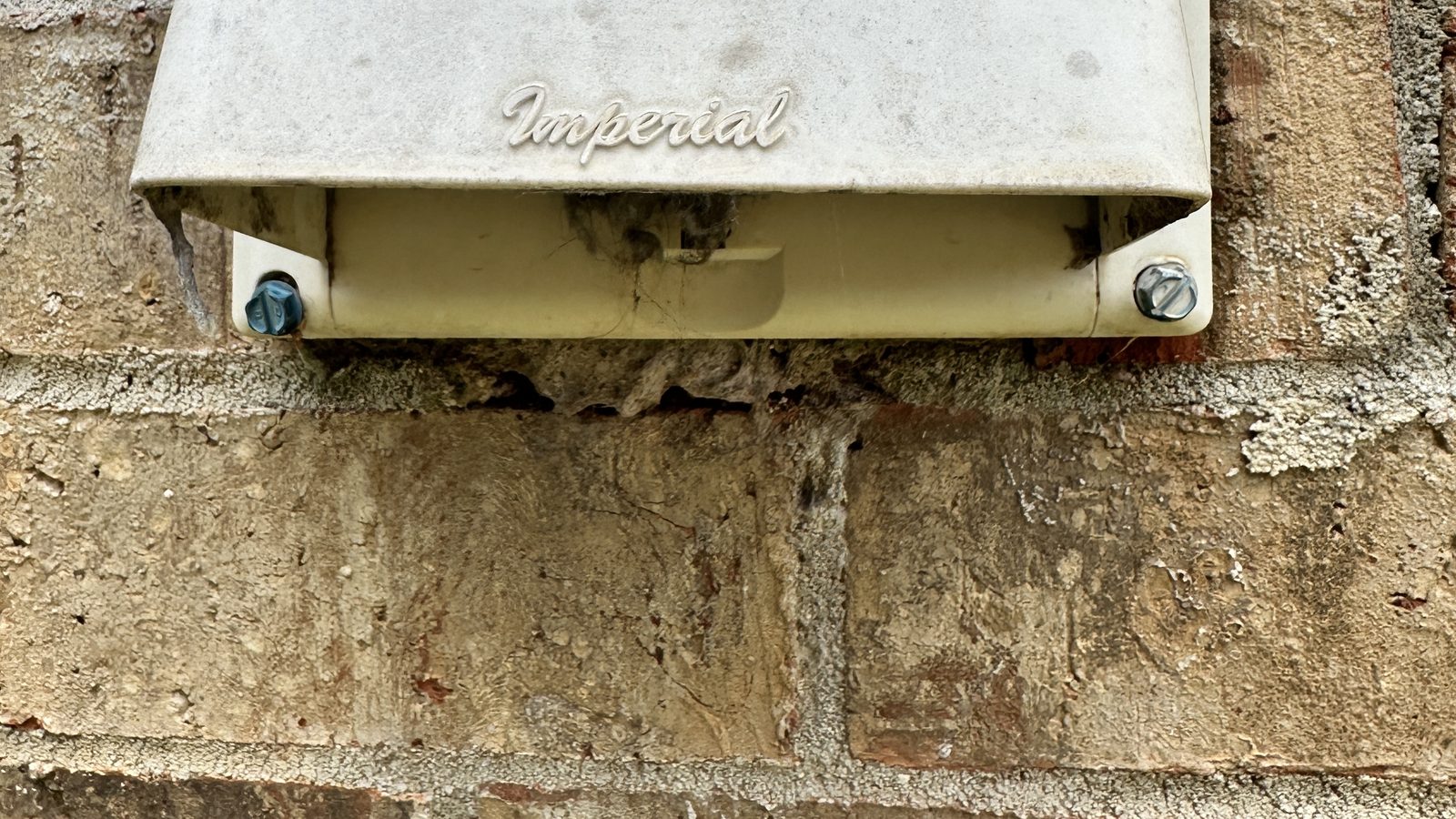
- Check outside. Run the dryer and look at the outside vent hood. The flap should open and you should feel warm air. A lazy flap points to a vent problem.
Family hack: tape a small lidded can or an old coffee tub to the side of the dryer for lint. Make emptying the screen the job of whoever starts the load. Kids love a job title, so call it Lint Patrol. Keep that lint away from the fireplace and the grill. It catches fire easily.
Why does my lint trap look clean but still clog?
Because the clog you can't see is a thin film, not fuzz. Maytag's support page on washing the lint screen says detergent and fabric softener residue can build up on the screen and cause longer drying times, or make the dryer stop before the load is dry. It also says the screen is probably clogged if lint falls off it while it's still in the dryer.
Dryer sheets are a common culprit. The screen looks spotless, but air can't get through it, which is a little like a window so clean you walk into it. The water test catches it in seconds.
Lint screen vs. lint slot vs. dryer vent: what needs cleaning and when?
All three collect lint, but on different schedules. The screen is a daily job, the slot is a now-and-then job, and the vent duct is a pro job for most homes.
| Part | How often | Who does it | Sign it needs attention |
|---|---|---|---|
| Lint screen (peel) | Every load | Anyone in the house | Visible lint layer |
| Lint screen (wash) | Every few months, or when water beads | Homeowner | Water pools on the mesh |
| Lint trap slot | A few times a year | Homeowner, with a crevice tool | Lint visible down the slot |
| Vent duct and outside hood | At least yearly for most families | Dryer vent pro | Long dry times, hot dryer, lazy hood flap |
How do you know the dryer vent needs cleaning, not just the lint trap?
If the screen is clean and passes the water test but loads still take two cycles, the problem is past the screen. Other signs: the top of the dryer feels hot, clothes come out hot but damp, or the flap on the outside hood barely moves. USFA also says to check that the vent behind the dryer isn't damaged, crushed or restricted, and that the outdoor vent covering opens when the dryer runs. We break down that two-cycle warning in why it takes two cycles to dry a towel.
What our techs see
On dryer vent jobs, we regularly find a spotless lint screen sitting in front of a vent run that's packed. The screen catches a lot, but some lint always slips past it and settles in the duct and the outside hood, especially on long runs and in homes with pets. Families are often surprised that the part they clean every day was never the problem. A good screen routine slows the buildup. It doesn't stop it.
DIY stops here: peeling, washing and vacuuming the lint trap are homeowner jobs. If you smell something hot or burning, the dryer shuts off mid-cycle, or the hood flap won't open, stop using the dryer and have the vent checked. Don't snake a long duct with a leaf blower or a drill brush you can't see the end of.
Dryer vent cleaning in DFW and the Gulf Coast
When the lint trap routine isn't enough, 1st Choice Residential cleans the whole run from the back of the dryer to the outside hood for $199, checks airflow and the flap, and tells you plainly if a crushed or extra-long duct needs fixing. Faster loads mean more time with the family and fewer nights folding laundry at midnight. See our dryer vent cleaning service, our Dallas-Fort Worth service area, or what to expect on dryer vent cleaning cost in DFW.
- Dallas-Fort Worth: (817) 791-4606
- Mobile & Baldwin County, AL, including Pensacola, FL: (251) 272-1990
Book online in a minute. Veteran-owned since 2009, licensed and insured, with a 1-year workmanship warranty.
Dryer lint trap FAQ
How often should I clean my dryer lint trap?
Clean the lint screen every load. The U.S. Fire Administration says to clean the lint filter before and after each cycle. Wash the screen with warm water and a little detergent every few months, or sooner if water beads on it. 1st Choice Residential sees DFW homes that skip this run longer, hotter dryer cycles.
Why does water sit on my dryer lint screen?
Water that pools on the screen means a film is clogging the mesh. Maytag says detergent and fabric softener residue builds up on lint screens and can cause longer drying times. Scrub the screen with warm water, a drop of liquid detergent and a soft nylon brush, then dry it fully before you put it back.
Can I vacuum the dryer lint trap slot?
Yes. With the dryer unplugged or switched off, use a narrow crevice tool to pull lint from the slot the screen slides into. Go slow and do not push lint deeper. If you see a big wad you cannot reach, or the dryer still runs long, call 1st Choice Residential in DFW for a full dryer vent cleaning.
Does a clean lint trap mean my dryer vent is clean?
No. The screen catches a lot of lint, but some always gets past it into the duct and the outside hood. That lint builds up over time. If loads take two cycles or the outside flap barely opens, book a dryer vent cleaning with 1st Choice Residential in Dallas-Fort Worth for $199.
How much does dryer vent cleaning cost in DFW?
Dryer vent cleaning from 1st Choice Residential is $199 in Dallas-Fort Worth. The tech cleans the duct from the dryer to the outside hood, checks airflow and the hood flap, and tells you plainly if a crushed or too-long run needs fixing. Call (817) 791-4606 or book online. Work carries a 1-year workmanship warranty.
Written by the 1st Choice Residential team. Veteran-owned since 2009, NFI-certified techs, serving DFW and Mobile & Baldwin County.