
1st Choice Residential journal
Your Dryer Needs Two Cycles to Dry a Towel? Here's What That Really Means
If your dryer suddenly needs two full cycles to dry one load of towels, it's almost never the dryer acting up — here's the real cause and a 5-minute check.
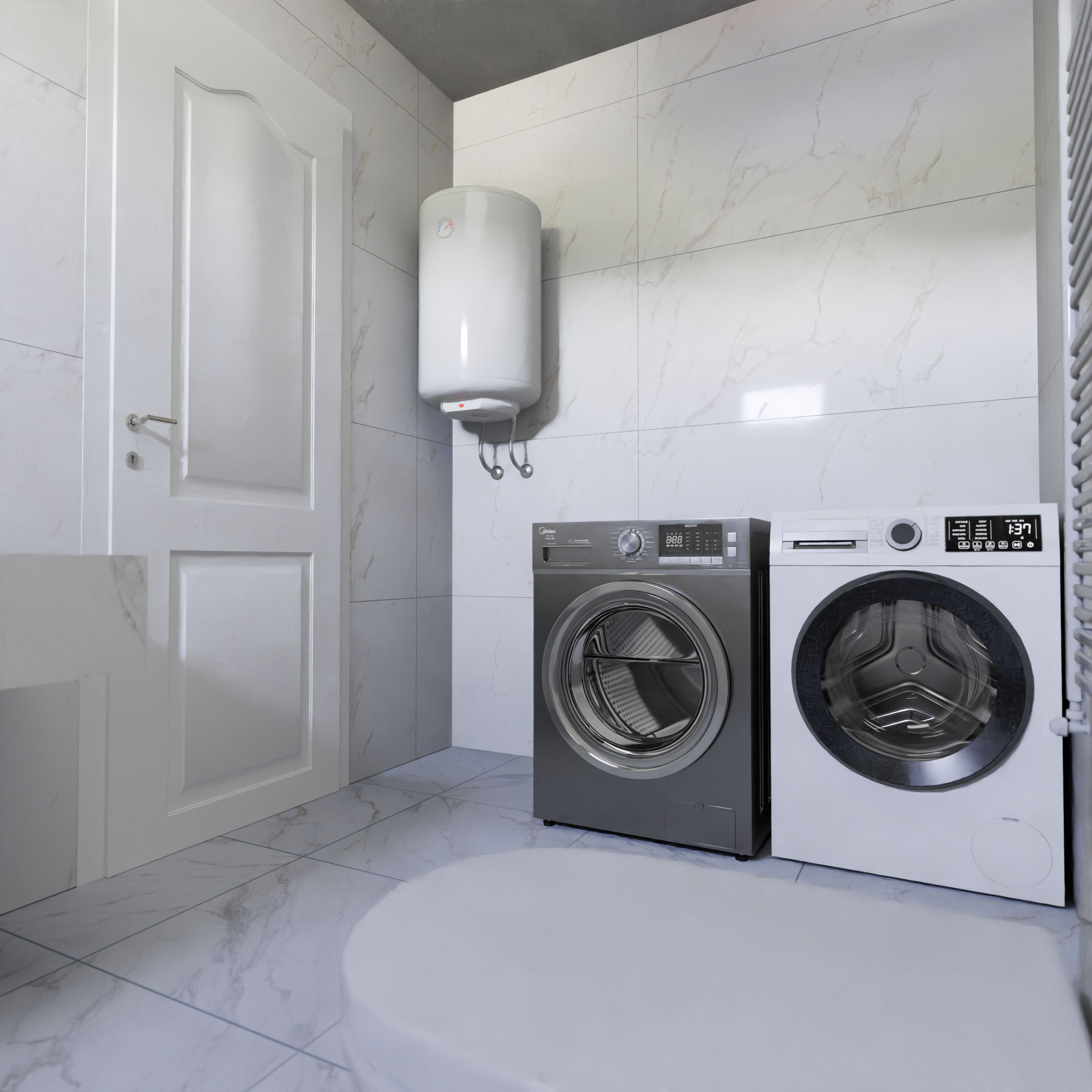
If your dryer has quietly started taking two cycles to dry a single load of towels, the dryer is not broken. In the overwhelming majority of cases, it's the vent — and that's worth taking seriously, not just tolerating. According to the U.S. Consumer Product Safety Commission, roughly 15,500 clothes dryer fires happen every year in the U.S., causing an average of 10 deaths, 310 injuries, and more than $84 million in property damage, and lint buildup restricting airflow is the core mechanism behind most of them.
Here's how to tell what's actually going on, what you can check yourself today, and why Mobile's climate makes this particular problem show up faster than it does almost anywhere else in the country.
Why a Slow Dryer Almost Always Means a Blocked Vent, Not a Broken Machine
Every load of laundry sheds lint — not just the fuzz that collects in the trap, but a finer layer that escapes past the screen and settles inside the vent duct itself. As that layer thickens, it narrows the path hot, moist air needs to escape. The dryer's heating element still works fine; it's just pushing air through a straw instead of a pipe. The motor runs longer, the drum gets hotter than it should, and the heating cycle has to repeat itself to finish the job.
The CPSC is explicit about what that buildup does beyond wasting your time: "As clothes dry, lint forms and builds up within the dryer unit and the vent, reducing air flow. This can cause the dryer to work improperly or overheat, resulting in a fire." A longer dry time isn't just annoying — it's the vent telling you it's losing the fight against restricted airflow before anything more serious happens.
The 5-Minute Check You Can Run From the Laundry Room
You don't need any tools for this — just a running dryer and five minutes.
Start a load, then walk outside to the exterior vent hood (usually a small flap on an outside wall near the laundry room). Hold your hand a few inches in front of it. You should feel a steady, noticeably warm rush of air. If what you feel is weak, barely-there, or room-temperature, air isn't escaping the way it should, and that's your vent telling you something is restricted between the dryer and the outside wall.
Back inside, check three more things while the load runs: whether the top of the dryer itself feels unusually hot to the touch, whether you smell a faint burning or hot-dust odor, and how long the full cycle actually takes compared to what it used to. Any one of those on its own is worth noting. Two or more together means don't wait on this.
Also worth a look: the exterior vent hood flap itself. It should open freely and close most of the way when the dryer's off — a flap that's stuck half-open (or has a bird's nest wedged behind it, which is common here) is doing exactly zero of its job.
Why This Shows Up Faster in Mobile Than in Drier Climates
Lint on its own is dry and relatively loose. Lint that's picked up ambient humidity is a different material — it clumps, it mats against duct walls instead of blowing through, and it holds onto whatever moisture is already in the exhaust air instead of letting it pass. Mobile's humidity does exactly that to the lint sitting in your vent line, which is part of why a duct that would go two years between cleanings in a dry climate can silently choke up in closer to one here. The exterior hood itself takes a second hit too — the same salt-air corrosion that pits stainless steel grills on the coast works on cheap vent hood hardware, so a flap that's supposed to snap shut can seize half-open, letting in exactly the kind of moisture and pests that make the blockage worse.
Where DIY Stops — and Why
Cleaning the lint trap after every load and vacuuming out what you can reach behind the dryer is genuinely useful maintenance, and you should keep doing it. But most residential dryer vent runs aren't a straight four-foot shot to an exterior wall — they run through wall cavities, make one or more 90-degree turns, and sometimes terminate through the roof instead of a side wall. A shop-vac hose reaches a few feet in. It doesn't reach a bend, and it doesn't tell you whether the duct itself is crushed, disconnected, or full of nesting material further down the line.
That's the honest line: what you can't see or reach from the laundry room is exactly the part that matters most. A full dryer vent cleaning uses a rotary brush and vacuum system run the entire length of the duct — including bends and roof terminations — plus an airflow check afterward to confirm it actually fixed the problem, not just moved the clog. It's $229 flat in Mobile and the rest of the Gulf Coast service area, and it usually takes less time than the two dry cycles you've been running to compensate.
Frequently Asked Questions
How often should a dryer vent actually be cleaned?
At minimum once a year for a typical household. If you're running loads daily, have a long or bent duct run, or live somewhere humid like Mobile, closer to every 9–12 months is more realistic.
Is a hot-to-the-touch dryer always a vent problem?
Not always — but it's one of the more reliable warning signs alongside longer dry times and weak exterior airflow. If you're feeling real heat on the cabinet itself, don't leave that load running unattended.
Can I clean the vent myself with a long brush kit?
For a short, straight run, a basic brush kit can help between professional cleanings. For anything with bends, a roof termination, or a run longer than about 15 feet, a consumer kit usually can't reach the blockage, and pushing debris further in is a real risk.
Does this affect my energy bill?
Yes — a restricted vent means the dryer runs longer and hotter to finish the same load, which shows up directly as wasted electricity or gas on top of the fire-risk issue.
What's the difference between cleaning the lint trap and cleaning the vent?
The lint trap only catches what's inside the dryer drum area. The vent is the separate duct that carries exhaust air outside — lint that gets past the trap screen builds up there instead, and no amount of trap-cleaning reaches it.