
1st Choice Residential journal
What Is a Smoke Chamber in a Chimney? A Mobile, AL Guide
The smoke chamber is the funnel between your fireplace and flue. Here is what it does, how to check it with a flashlight, and when Mobile families should call a pro.
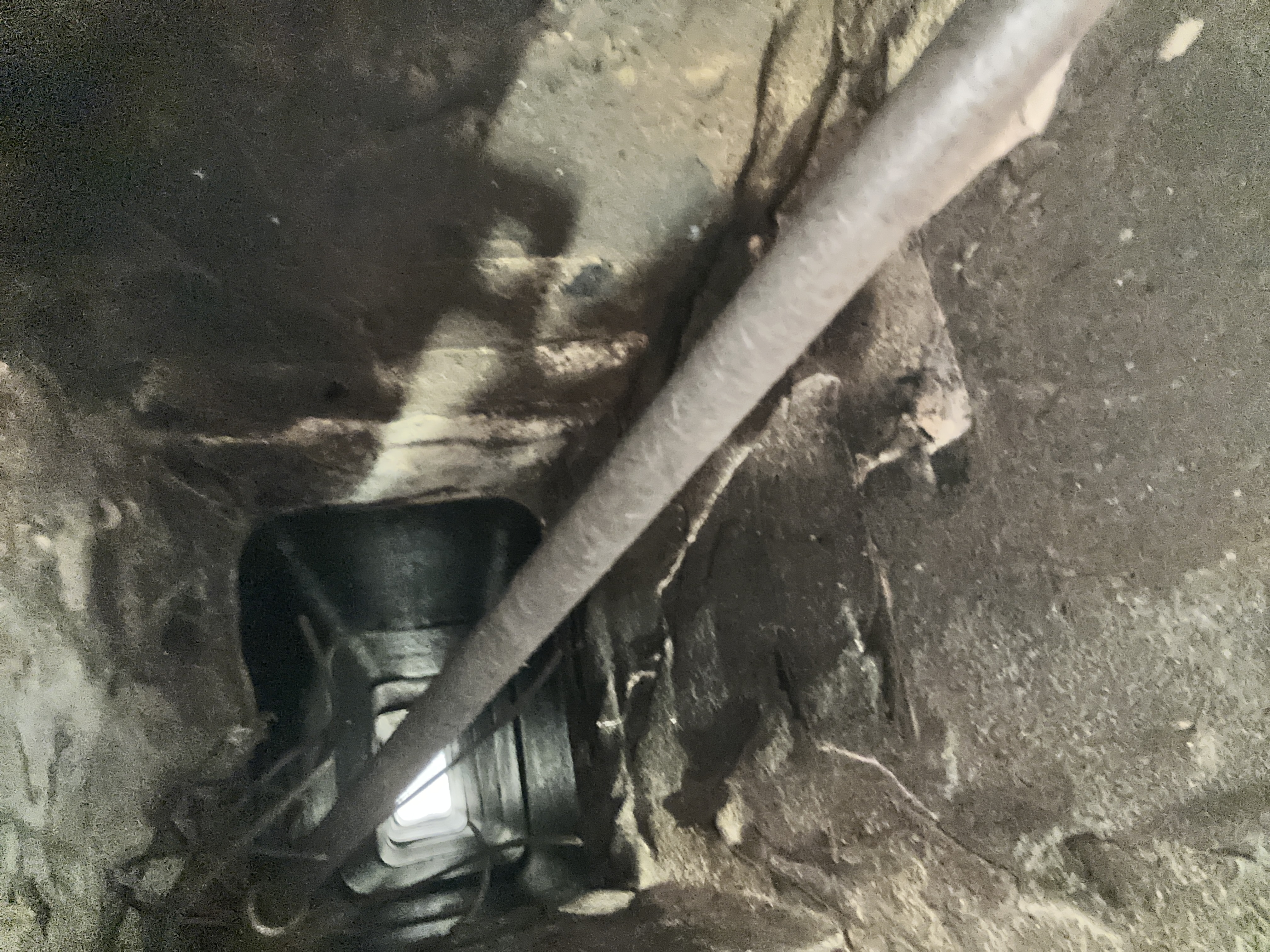
A smoke chamber is the funnel-shaped space just above your fireplace damper and below the flue. It gathers smoke from the wide firebox and squeezes it into the narrow chimney. When its walls are smooth and sealed, smoke flows up and out. When they are rough or cracked, smoke can roll back into the room and creosote builds up faster.
Quick answer:
- Where it is: above the damper, below the flue liner.
- What it does: funnels smoke from the firebox into the flue.
- What good looks like: walls parged smooth with refractory mortar, no gaps.
- Warning signs: smoke rolling out at startup, bare stair-step brick, crumbled mortar on the smoke shelf.
- Next step: a chimney sweep with a camera inspection, $199 in Mobile and Baldwin County.
Here is a fun one for the holidays. Ask everyone at the table where the smoke goes after it leaves the fireplace. Most people say "up the chimney." True, but it takes a detour first, through a part of the house almost nobody has ever seen. It is called the smoke chamber, and it decides whether your Thanksgiving fire is cozy or whether Grandma's sweater smells like a campfire until New Year's.
What is a smoke chamber in a chimney?
The smoke chamber is the transition zone between the fireplace and the flue. A firebox is wide so you can see the fire. A flue is narrow so smoke moves fast. The smoke chamber connects the two, sloping inward like the top of a funnel. Right at its base sits the damper and, behind it, the smoke shelf, a flat ledge that helps stop downdrafts from pushing air straight into the room.
In a masonry fireplace, the chamber is built from brick that steps inward row by row. That stair-step shape, called corbelling, leaves a rough surface. That is why the final coat matters.
What does a smoke chamber do for your fireplace?
It keeps smoke moving in one direction: up. A smooth, properly shaped chamber lets hot gases speed up as they rise into the flue. That steady draft pulls smoke away from the room and keeps the fire burning clean.
A rough chamber does the opposite. Every brick ledge creates a little eddy where smoke swirls instead of rising. Smoke that swirls cools down, and cooler smoke drops more creosote on the walls. It is a little like trying to pour gravy through a funnel lined with Legos.
What should a smoke chamber look like inside?
It should look smooth and sealed. The residential building code, section R1001.8 (shown here in Seattle's adopted copy of the IRC chimney chapter), says the inside surface of a masonry smoke chamber shall be parged smooth with refractory mortar, and that the walls are built of solid masonry at least 8 inches thick. The chimney industry's Level 1 masonry fireplace inspection guide lists the same thing as a check item: smoke chamber walls should be parged smooth, joints between the fireplace, chamber and flue should be well sealed, and the flue liner should be supported on all four sides.
| What you see | What it usually means | What to do |
|---|---|---|
| Smooth, even gray or black coating | Parged chamber in decent shape | Keep up yearly sweeps |
| Bare stair-step brick | Never parged, or parging has worn away | Have it inspected before heavy use |
| Open or crumbling mortar joints | Heat and moisture damage | Stop burning and get a camera inspection |
| Crumbs and chunks on the smoke shelf | Mortar or parging falling off above | Have a pro find the source |
| Shiny, tar-like black coating | Glazed creosote | Do not burn until a sweep checks it |
How can you check your smoke chamber yourself?
You can get a quick look with a flashlight and your phone. This will not replace a camera inspection, but it tells you whether to worry:
- Wait for a cold firebox. Check the next morning, never with warm ash. Lay an old sheet on the hearth to catch soot.
- Open the damper all the way. Reach up and open it fully. If it will not budge, stop there. That is a damper problem first.
- Put on safety glasses. Soot falls. Glasses keep it out of your eyes, and a hat keeps it out of your hair.
- Shine a bright flashlight up past the damper. Look at the walls of the funnel above the damper. You are looking for smooth mortar or bare stair-step brick.
- Look for gaps, missing mortar and heavy black buildup. Note open joints, crumbled mortar on the smoke shelf, or shiny, tar-like creosote.
- Snap a phone photo. Hold your phone up past the damper and take a few flash photos. Photos beat memory when you talk to a pro.
Hack for the kids: let them hold the flashlight and play "spot the brick ledge." They will love being the official chimney detective, and you get a free extra pair of eyes. Just keep little hands out of the soot and away from the damper handle.
Why do smoke chamber problems show up in Mobile homes?
Mobile's rain and humid air soak into brick and mortar most of the year. Then the first chilly evening comes and the family lights a big fire all at once. That swing from damp to very hot is tough on tired mortar joints. A cap and a sound crown keep water out, and a smooth chamber gives the heat a clean path up.
What our techs see
The smoke chamber is one of the most overlooked parts of an older masonry fireplace. Our techs often find chambers that were never parged at all, just stair-stepped brick from the day the house was built, with soot and creosote packed onto every ledge. The giveaway is often a fireplace that "always smoked a little when we first light it." Once the camera goes up past the damper, the reason is right there on the screen.
Where DIY stops
Looking is fine. Fixing is not a weekend project. Do not chip at the brick, spray sealers up the chimney or smear patching compound on the chamber walls. Parging means overhead work in a tight space with refractory materials. Stop using the fireplace and call a pro if you see open joints, falling mortar or shiny glazed creosote, or if smoke keeps rolling into the room.
Smoke chamber parging or repair is quoted after inspection. A few open joints and a full refractory coat are different jobs, and pricing it sight unseen is how people get surprised. The first step is our chimney sweep with camera inspection for $199, so you see the photos before anyone talks repairs. If your fireplace is already pushing smoke into the house, our guide on fireplace smoke coming into the house walks through the other common causes.
Book a chimney inspection in Mobile, AL
1st Choice Residential is veteran-owned, licensed and insured, with NFI-certified techs and a 1-year workmanship warranty. Here is where we serve:
- Mobile, Baldwin County and Pensacola: (251) 272-1990, Mobile chimney and fireplace service.
- Dallas-Fort Worth: (817) 791-4606, DFW fireplace and chimney service.
Book your chimney sweep online and give the family a fire that smells like the holidays, not the den.
FAQ
What is a smoke chamber in a chimney?
The smoke chamber is the funnel-shaped space right above the fireplace damper and below the flue liner. It gathers smoke from the wide firebox and squeezes it into the narrow flue. In a masonry fireplace it is built from brick, and the residential building code says its inside should be parged smooth with refractory mortar. 1st Choice Residential inspects it on every Mobile, AL sweep.
What does smoke chamber parging mean?
Parging is a smooth coat of heat-resistant refractory mortar troweled over the stair-step brick inside the smoke chamber. It seals gaps, helps smoke flow up instead of swirling, and gives creosote fewer ledges to cling to. The residential code calls for it on masonry fireplaces, and chimney inspection guides list a smooth parged chamber as a check item.
Can a bad smoke chamber cause smoke to come into the house?
Yes, it can be part of the problem. Rough, stair-stepped brick or an oversized chamber can make smoke tumble and roll back into the room, especially when the fire is first lit. Other causes include a closed damper, a cold flue or a home that is short on air. A camera inspection by 1st Choice Residential in Mobile shows which one you have.
How much does smoke chamber repair cost in Mobile, AL?
Smoke chamber parging or repair is quoted after inspection, because a few open mortar joints and a chamber that needs a full refractory coat are very different jobs. In Mobile and Baldwin County, 1st Choice Residential starts with a $199 chimney sweep and camera inspection, so you see photos of the chamber before anyone prices the work.
Do gas fireplaces have a smoke chamber?
Gas logs set in a masonry wood-burning fireplace still use that fireplace's smoke chamber and flue, so the chamber still matters. A sealed direct-vent gas fireplace or insert uses its own vent pipe instead. If you are not sure which you have, 1st Choice Residential can tell you on a Mobile, AL service visit and check the venting at the same time.
Written by the 1st Choice Residential team. Veteran-owned since 2009, NFI-certified techs, serving DFW and Mobile & Baldwin County.