
1st Choice Residential journal
Dryer Vent Flap Won't Open? 6 Reasons Your Outside Vent Is Blocked
Your outside dryer vent flap won't open? Here are the 6 real causes, the screen mistake most homeowners make, and what you can safely check yourself first.
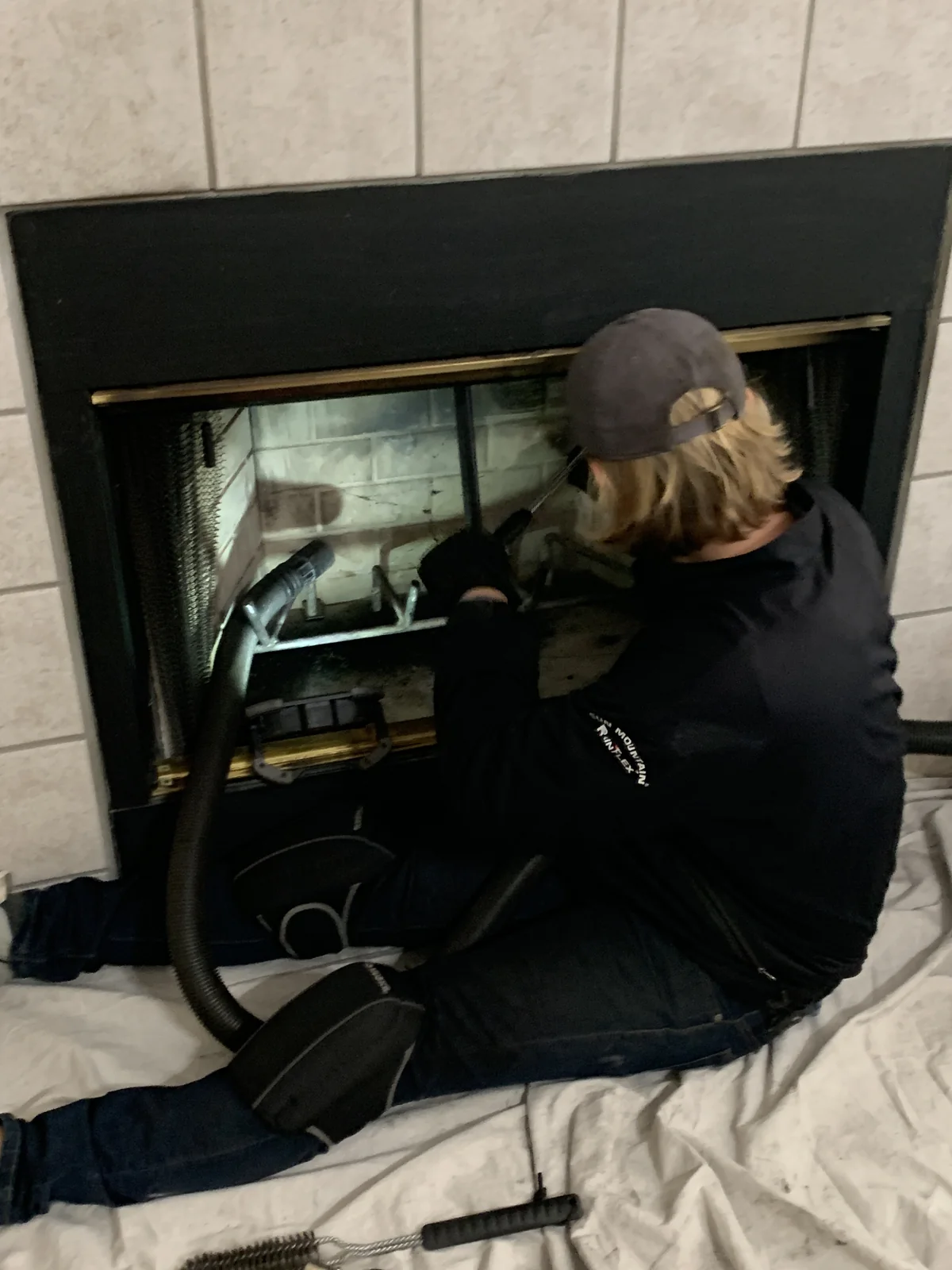
You're standing in the side yard with the dryer running inside. You hold your hand up to the vent hood. Nothing. No warm air, no flutter, no smell of dryer sheets. The flap is sitting there shut like somebody glued it — while inside, the dryer roars away and your towels come out damp.
That flap should swing open every time the dryer runs. When it doesn't, the hot wet air your dryer makes has nowhere to go. Here's what's causing it, what you can check yourself, and where to stop.
What that flap is and why it's there
The flap on your outside vent hood is a backdraft damper. Air from the dryer swings it open; when the dryer stops, gravity drops it closed so cold air, rain, and animals stay outside. It isn't decoration and it isn't optional. The International Residential Code requires a clothes dryer exhaust duct to terminate outside the building, at least 3 feet from any opening into the house, and to be fitted with a backdraft damper (IRC Section M1502, Duct termination). Baldwin County has enforced the 2024 IRC since March 5, 2025.
When the damper can't open, exhaust backs up and lint settles inside the pipe instead of leaving the house. That matters: the National Fire Protection Association found failure to clean was the leading factor in home clothes dryer fires, behind about a third of them (NFPA, Home Fires Involving Clothes Dryers).
6 reasons your dryer vent flap won't open
| Cause | What you'd notice | Who fixes it |
| Lint behind the damper | Flap moves a little, then stops | Pro |
| Bird nest | Twigs at the opening, scratching in the wall | Pro |
| Painted or caulked shut | Paint line across the seam | You, carefully |
| Screen over the outlet | Mesh matted with lint | You — remove it |
| Duct crushed or disconnected | No air at the hood, humid laundry room | Pro |
| Corroded hinge pin | Flap loose but binding, rust on the hood | Either |
1. Lint packed in behind the damper
The most common one by a mile. Lint collects where air slows, and air slows right at the damper. Pulling the visible wad out with your fingers feels like a fix, but if lint is packed at the termination there's more behind it — you've cleared the last six inches of a 25-foot run.
2. A bird nest in the vent
A dryer vent is a warm, dry, sheltered tube, and a hood with a broken flap is an open invitation. A nest doesn't just block the flap — it packs the duct with dry grass and twigs sitting right where hot exhaust comes out. That's the one case here where we'd tell you to stop using the dryer until it's cleared.
3. Painted or caulked shut
Painters spray a wall, the hood catches overspray, and the flap dries stuck to its frame. Score the paint line with a utility knife and work the flap a few times. Don't force a brittle plastic flap — it'll snap off, and now you have a code problem instead of a paint problem.
4. Somebody installed a screen over it
The fix homeowners reach for after a bird gets in — and it's exactly backwards. See below.
5. The duct is crushed or disconnected behind the wall
If the flap barely moves and the laundry room gets muggy, the problem may not be at the hood at all. Foil duct gets crushed behind a dryer pushed back too far, or a joint separates and exhaust dumps into the wall cavity. On the Gulf Coast, moisture inside a wall doesn't stay small for long.
6. Not enough airflow to push it open
A damper needs real pressure behind it. Code caps a dryer exhaust duct at 35 feet of developed length, minus 5 feet per 90-degree bend and 2.5 per 45. A run that's too long, or has four elbows crammed in, may never lift the flap reliably — even when clean.
The screen mistake
Here's the one most people get wrong, and we don't blame them — it seems obvious. A bird got in, so you cover the opening with hardware cloth or a mesh vent cover.
Screens are prohibited at a dryer duct termination. The IRC says it in one sentence: "Screens shall not be installed at the duct termination." Not discouraged — prohibited.
Dryer exhaust is loaded with lint, and lint grabs mesh instantly. A screen becomes a felt mat within a season — you've traded an occasional bird for a permanent restriction that dries clothes slower, runs the dryer hotter, and packs the duct with the exact material that starts dryer fires. Take it off.
Why this shows up more on the Gulf Coast
- Humidity. Damp lint is sticky lint. It clings to duct walls and to the damper instead of blowing clear, so a duct fouls faster in Baldwin County than in a dry climate.
- Salt air. Closer to the bay and the Gulf, the hinge pin the flap pivots on corrodes. The flap ends up loose to the touch but binding just enough that airflow can't lift it — common on aluminum hoods in Fairhope and along the eastern shore.
What you can check yourself — and where to stop
Ten minutes, no tools beyond a flashlight:
- Run the dryer on heat, go outside, hold your hand at the hood. You should feel a steady, warm push of air.
- Watch the flap. Moving? Partly? Not at all?
- Shine a light into the hood. Lint mat? Twigs? Mesh?
- Check the seam for a paint or caulk line.
- Back inside, feel the wall along the duct run. Warm or damp spots mean exhaust is leaking where it shouldn't.
Stop and call somebody if you see nest material, the duct runs through a wall or attic you can't reach, the run is over about 15 feet, the flap is broken off, or the dryer shuts itself off mid-cycle. That last one means heat is already backing up into the machine.
What it costs
Dryer vent cleaning is $199, and that clears the full duct run from the dryer to the exterior termination — not just the part you can see.
Anything past that is quoted after we look. A flap that needs freeing up and a hood corroded through are not the same job, and pricing sight-unseen is how people get surprised on the invoice. All work carries a 1-year workmanship warranty.
Frequently asked questions
Why won't my dryer vent flap open?
The most common cause is lint packed behind the damper, because air slows at the end of the duct run and drops its lint there. Other causes are a bird nest, paint or caulk sealing the flap to its frame, a screen over the opening, a crushed duct, or a corroded hinge pin. If the flap moves a little but not fully, suspect lint or corrosion. If it doesn't move at all, suspect paint or a nest.
Can I put a screen on my dryer vent to keep birds out?
No. The International Residential Code states that screens shall not be installed at a dryer duct termination. Lint sticks to mesh and mats it closed within months, restricting airflow and making the dryer run hotter. The correct fix for animal entry is a proper vent hood with a working backdraft damper.
How do I know if a bird is nesting in my dryer vent?
Look for straw or twigs poking out of the hood, a flap propped partly open, scratching sounds in the wall, and clothes suddenly taking two cycles to dry. Nest material is dry and sits in the exhaust path, so stop using the dryer until it's cleared.
How often should a dryer vent be cleaned?
Once a year for a typical household. More often with a long duct run, several elbows, a large family, or pets that shed heavily. Humid coastal air makes lint stickier, so Gulf Coast homes need it on schedule.
Can I just remove the flap?
No. The damper is required by code, and without it your vent is an open hole in the exterior wall — cold air, rain, insects, and animals get a path inside. If the flap is broken, the hood gets replaced, not deleted.
Get it looked at
1st Choice Residential is veteran-owned, licensed and insured, and has done this work since 2009. Our technicians are NFI-certified. Locally owned, not a franchise, with 500+ 5-star reviews.
Gulf Coast: (251) 272-1990
Prefer to text? iMessage us at 817-946-8206.
DFW: (817) 791-4606
Book your dryer vent cleaning online — pick your own time, no phone tag.