
1st Choice Residential journal
How to Clean a Big Green Egg the Right Way (and 5 Mistakes That Wreck Ceramic)
A step-by-step guide to cleaning a Big Green Egg or kamado grill — the burn-off method, what to never put on ceramic, and the mistakes that crack a dome.
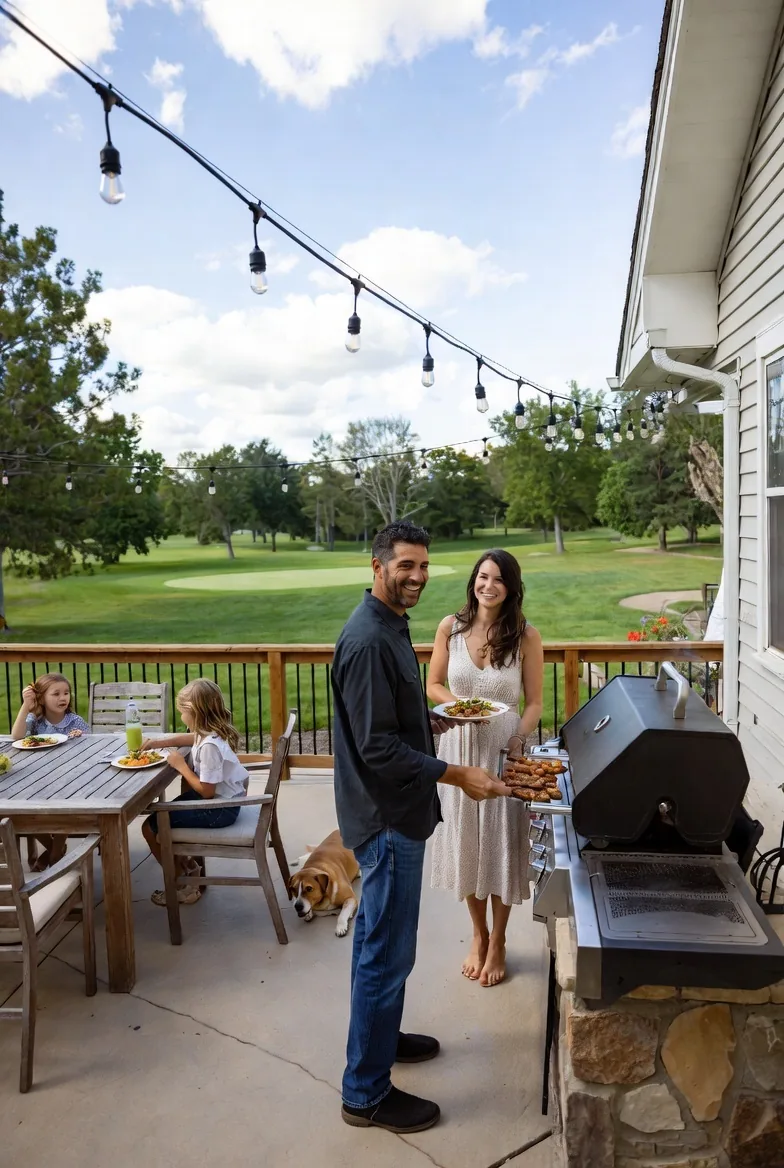
You opened the dome this weekend and the inside looked like the bottom of a chimney. Black flakes on the ceiling. A grate welded shut with old grease. And now you are looking at a grill that cost more than your last appliance, wondering if the wrong cleaner is about to ruin it.
Here is the short version. A Big Green Egg, Kamado Joe, Primo, or any ceramic kamado does not get cleaned the way a gas grill does. You do not soap it. You burn it. Get that backwards and you can trap detergent in porous ceramic, chew up the felt gasket, or crack a dome that was never designed to take a cold pressure washer.
This is the method the manufacturer actually publishes, plus the mistakes we see most often on service calls across Dallas-Fort Worth and the Gulf Coast.
Rule one: heat does the cleaning, not chemicals
Ceramic is porous. Anything you pour on it soaks in and comes back out into your food the next time you cook. Big Green Egg's own care guidance is blunt about this: skip harsh cleaners and abrasive pads on the ceramic, and use heat to burn residue off the interior instead. Water and a damp cloth handle the outside.
That black coating on the inside of your dome is not dirt. It is carbonized smoke, and a thin layer of it is normal on every kamado in the country. You are managing buildup, not chasing a showroom finish.
The 10-minute routine after every cook
- Brush the grate while it is still hot. Warm grease releases. Cold grease does not.
- Close the vents fully to snuff the fire and save the unburned lump charcoal for the next cook.
- Stir and drop the ash before the next light, not after. Ash sitting on the fire ring holds moisture, and on the Gulf Coast that means rust on the metal components and a fire box that will not draft.
- Check the drip pan or plate setter. Pooled grease is the single most common ignition source in a grill fire.
That last one is not a scare tactic. NFPA's grilling data shows failure to clean is the leading contributing factor in home grill fires, tied to roughly one in five of them, and gas equipment accounts for the large majority of the total. Kamados burn cleaner, but a grease-loaded drip pan under 500-degree ceramic behaves the same way. See NFPA's grilling safety page for the full breakdown.
The annual deep clean, step by step
1. Pull the guts out
Remove the cooking grate, plate setter or heat deflector, fire ring, and fire box. Vacuum out every bit of ash from the ceramic base and clear the lower draft door opening. A blocked draft door is the number one reason a kamado will not hold temperature.
2. Run a carbon burn-off
Reassemble, load a full basket of lump, and bring the Egg up to around 600°F with the vents wide open. Hold it there for two to three hours. Carbon and grease turn to gray ash and flake off on their own. Let it cool completely before you touch anything.
3. Brush the flakes down
Once cold, a soft brush or a plastic scraper knocks the loosened carbon off the dome and grate. Anything still stuck gets a dual-sided grill scrubber, not steel wool.
4. Wipe the exterior and check the hardware
Damp cloth on the glazed ceramic. Then check the band bolts, hinge tension, and the felt gasket. A gasket that is flattened, torn, or gone will not seal, and a kamado that will not seal will not hold low-and-slow temps.
What to use — and what to never use
| Job | Use this | Never use this |
|---|---|---|
| Interior dome and firebox | 600°F burn-off, soft brush after cooling | Oven cleaner, degreaser, dish soap |
| Cooking grate | Brush while hot; scrubber when cold | Soaking in soapy water for cast iron grates |
| Glazed exterior | Damp cloth, mild soap only if needed, rinsed | Abrasive pads, harsh chemicals |
| Ash base | Ash tool, shop vac on a cold grill | Water rinse or hose-out |
| Felt gasket | Dry wipe; replace when compressed | Solvents, scraping |
Five mistakes that actually damage a kamado
- Pressure washing or hosing out the inside. Water soaks into porous ceramic. Fire it up before it fully dries and trapped steam can crack the dome or base.
- Oven cleaner. It is lye. It gets absorbed, it does not fully rinse out, and it degrades the gasket adhesive.
- Opening the dome fast on a hot cook. A rush of oxygen into a starved firebox causes flashback. Crack the lid an inch, pause a second, then open. Every kamado owner learns this once.
- Skipping ash removal on the coast. In Mobile and Baldwin County, ash plus salt-laden humidity eats metal bands, hinges, and fire boxes faster than anywhere in Texas.
- Ignoring a shot gasket. A leaking seal makes the fire run hot and uncontrolled, which burns more fuel and bakes on more carbon. It compounds.
When it is worth handing off
If your kamado has gone a season or three without a real cleaning, or you have a built-in setup where the grill is framed into stone or stucco, the deep clean stops being a Saturday project. Our BBQ grill cleaning and repair service starts at $239 for a deep clean and covers ceramic kamados, built-in gas grills, and freestanding units. We pull it down to components, clean what can be cleaned, and tell you straight when a part is done rather than selling you a rebuild you do not need.
We are NFI-certified, licensed and insured, veteran-owned, and locally owned rather than a franchise. We have been doing this since 2009, and every job carries a one-year workmanship warranty. Homeowners across Dallas-Fort Worth, Mobile, and Baldwin County use us for exactly this.
Frequently asked questions
How often should you deep clean a Big Green Egg?
Once a year for a typical home cook, and twice a year if you cook weekly or do a lot of high-fat proteins like pork shoulder and wings. Brush the grate after every single cook and drop the ash before every light.
Can you use soap on a Big Green Egg?
Not on the interior. The ceramic is porous and absorbs it. Mild soap and water on the glazed exterior is fine if you rinse it. Inside, the 600°F burn-off is the manufacturer-recommended method.
Is the black stuff inside my kamado dangerous?
No. A thin, dry carbon layer is normal and even helps the ceramic season. What matters is thick, sticky, greasy buildup and a loaded drip pan — that is the fire risk, not the black patina.
Can you pressure wash a kamado grill?
No. Water in porous ceramic can flash to steam on the next cook and crack the dome or base. Vacuum ash out dry and clean the interior with heat.
How do I know if my gasket needs replacing?
Close the dome on a dollar bill. If it slides out with no drag, the seal is gone. Flattened, torn, or missing felt means the grill will not hold low temperatures and burns through fuel.
Get it cleaned right, once
A kamado that gets a proper burn-off, a real ash-out, and a working gasket will cook better next weekend than it did the day you bought it. If you would rather not spend the afternoon on it, book a grill deep clean online and pick your window.
Prefer to talk it through? Call (817) 791-4606 in Dallas-Fort Worth or (251) 272-1990 on the Gulf Coast. You can also text or iMessage us at 817-946-8206 with a photo of the inside of your dome and we will tell you what you are looking at.