
1st Choice Residential journal
How Often Should You Sweep Your Chimney? NFPA 211 Guidelines for DFW & Gulf Coast Homes
NFPA 211 sets a once-a-year floor for chimney inspection, but DFW's heavy burn season and coastal Alabama's humidity push real cadence higher. Here's what each climate demands.
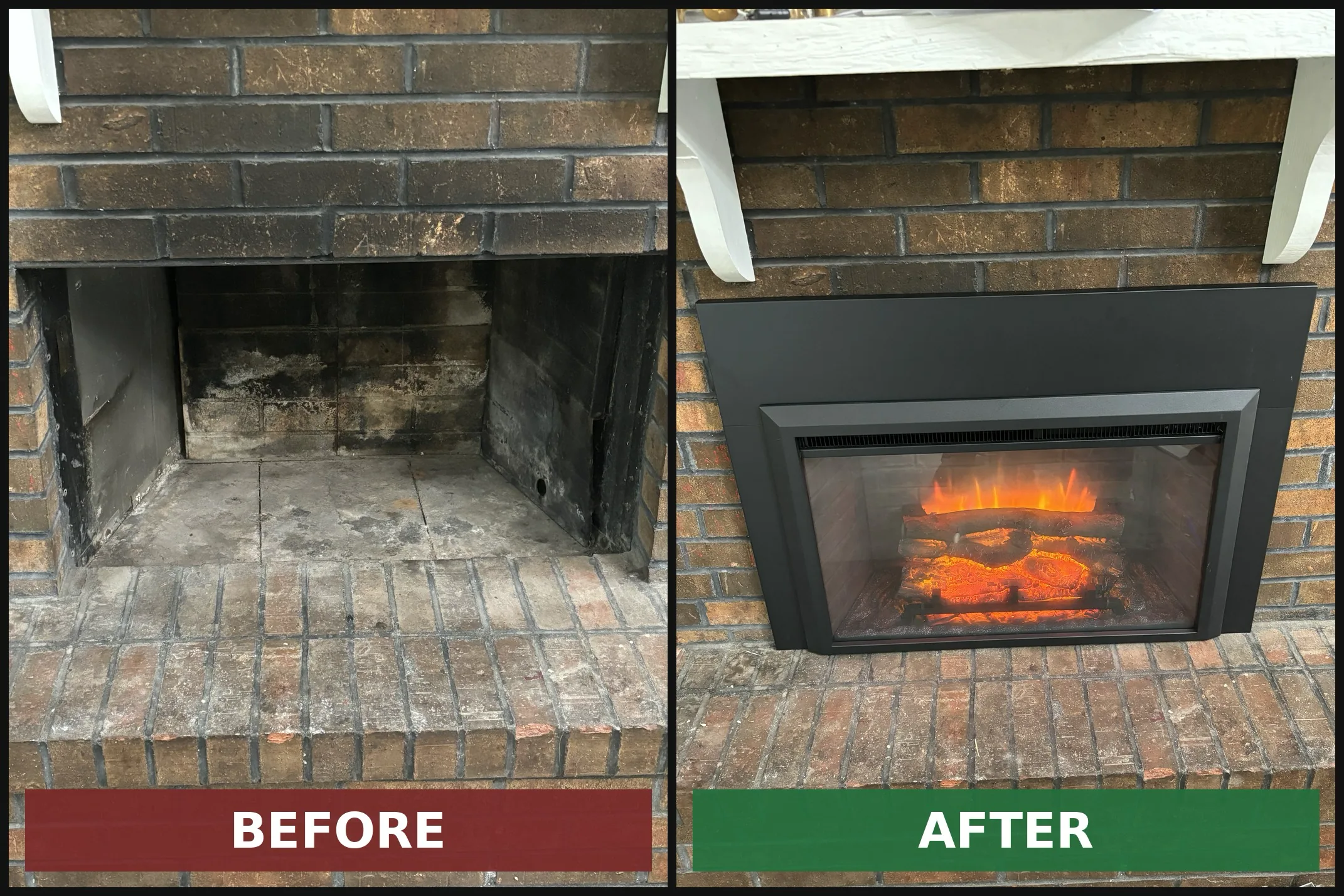
If you own a wood-burning or gas fireplace anywhere from Arlington to Fairhope, you've probably heard the standard line: "sweep your chimney once a year." That advice isn't wrong, but it isn't the whole picture either — and treating a Baldwin County chimney the same as one in Frisco or Southlake is exactly how homeowners end up with an avoidable creosote fire or a corroded flue liner nobody saw coming.
The National Fire Protection Association's NFPA 211 standard sets the baseline: chimneys, fireplaces, and vents should be inspected at least once a year, and cleaned when inspection finds soot, creosote buildup, or damage — regardless of how recently the last cleaning happened. The Chimney Safety Institute of America also recommends an annual inspection by a qualified professional to help reduce chimney-fire and carbon-monoxide risks. In our 15+ years serving homes across Dallas-Fort Worth and the Alabama Gulf Coast, we've learned that "once a year" is the floor, not the finish line.
Why One Rule Doesn't Fit Two Climates
DFW and coastal Alabama stress a chimney system in almost opposite ways, and both push toward more frequent attention than the generic advice suggests.
Dallas-Fort Worth: Dry Heat, Hard Water, and Heavy Seasonal Use
North Texas homeowners typically run their fireplace hard for a short, intense burn season — often several nights a week from late November through February. That concentrated use means creosote (the flammable byproduct of incomplete combustion) accumulates faster than a "light use, long season" home in a milder climate. We also see North Texas's expansive clay soil contribute to slow foundation and chimney-crown shifting over time, which can open hairline gaps in masonry that let moisture into the flue during the region's sudden hard-freeze events — a combination that accelerates deterioration if it isn't caught early.
Mobile and Baldwin County: Humidity Is the Enemy Between Fires
Gulf Coast homes burn less often, but their chimneys spend most of the year sitting in high humidity and salt-tinged coastal air. That environment corrodes metal chimney caps, dampers, and liners even when the fireplace never gets used, and it creates ideal conditions for moisture and corrosion problems that can compound deposits already present in the flue. Glazed creosote adheres far more aggressively than dry, flaky deposits and needs professional evaluation. Glazed creosote is also the hardest type to remove safely and the most likely to ignite in a chimney fire.
| Factor | DFW | Mobile / Baldwin County |
|---|---|---|
| Primary risk driver | Heavy seasonal burn frequency | Year-round humidity and salt air corrosion |
| Deposit concern | Heavier buildup from concentrated seasonal use | Moisture, corrosion, and hardened deposits |
| Structural concern | Clay soil movement, freeze-thaw cracking | Metal corrosion, mortar joint erosion |
| Recommended inspection cadence | Annual, pre-season (October) | Annual + post-hurricane-season check |
Signs You Shouldn't Wait for Your Annual Sweep
- Smoky smell when the fireplace is cold — often the first sign creosote has built up enough to off-gas.
- Visible black flaking or a tar-like sheen inside the firebox — glazed creosote needs professional removal; wire brushing alone can't safely clear it.
- Rust-colored stains on the damper or firebox — a strong signal of moisture intrusion, especially common in Baldwin County homes after a wet summer.
- A damper that's hard to open or close — frequently the first physical symptom of corrosion or debris buildup.
- Animal noises or nesting debris — chimney caps that have corroded or come loose let wildlife in, and blocked flues are a carbon monoxide hazard.
What a Professional Sweep and Inspection Actually Covers
A proper NFPA 211 Level 1 inspection — the standard for a chimney in continued, unchanged service — includes a full visual inspection of the readily accessible portions of the chimney, flue, and connections, plus removal of creosote and debris from the flue and smoke chamber. Homes with a recent change in use, an appliance swap, or an unexplained issue may need a Level 2 inspection, which adds a video scan of the interior flue.
Our technicians document what they find with photos, not just a verbal "looks fine," and grade creosote buildup by stage so you know exactly why a sweep is or isn't needed this year.
Frequently Asked Questions
How often should a gas fireplace be inspected?
Gas fireplaces still need an annual inspection even though they don't produce creosote the way wood-burning units do. Pilot assemblies, ignition components, and venting can degrade or become blocked, and many manufacturers recommend periodic professional service; follow the maintenance schedule in your specific owner’s manual.
Can I tell if my chimney needs sweeping myself?
You can catch obvious warning signs — smell, visible soot, a stuck damper — but accurately grading creosote buildup and checking flue integrity requires a trained eye and, often, a camera scope. Self-inspection is a good first check, not a substitute for a professional visit.
Is chimney sweeping different for coastal Alabama homes versus DFW?
The core process is the same, but coastal technicians pay closer attention to metal corrosion on caps, dampers, and liners, while DFW technicians focus more on creosote volume from heavier seasonal use and masonry movement from clay soil. Both benefit from scheduling before the burn season starts.
The 1st Choice Residential Standard
We're veteran-owned and have serviced thousands of chimneys across Dallas-Fort Worth, Mobile, and Baldwin County since 2009. Every sweep includes a documented inspection, photo evidence of any issues found, and straight answers about what actually needs attention this year — not an upsell script. If it's been more than 12 months since your last sweep, or you're seeing any of the warning signs above, get it checked before you light the first fire of the season.