
1st Choice Residential journal
BBQ Grill Grease Fires: 5 Warning Signs DFW Homeowners Shouldn't Ignore
Grease buildup is the top controllable cause of grill fires. Here are five warning signs every DFW homeowner should check — and what to do before your next cookout.
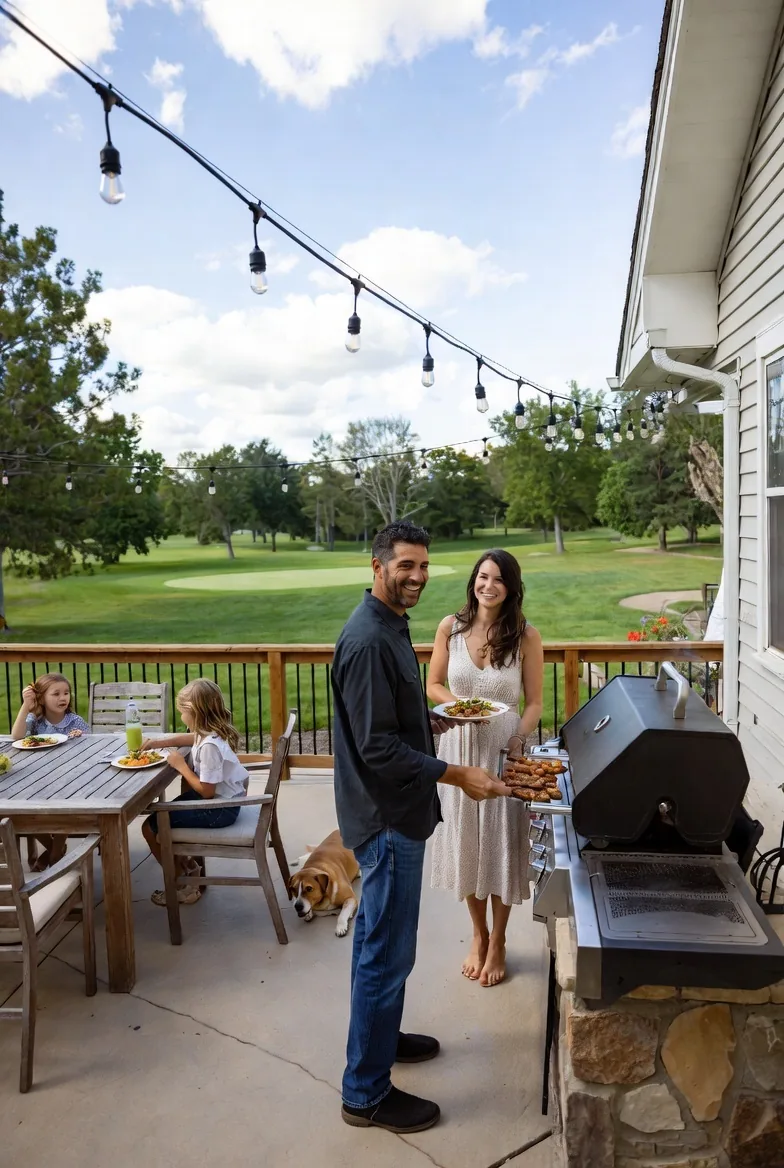
Every summer, fire departments across the country respond to thousands of grill fires — and grease buildup is the leading controllable cause. If you're grilling regularly in Dallas–Fort Worth, knowing the warning signs of dangerous grease accumulation could be the difference between a great cookout and a call to 911.
The National Fire Protection Association reports that U.S. fire departments respond to an average of more than 11,400 home fires involving grills each year, resulting in roughly 176 civilian injuries and $172 million in direct property damage annually. July is consistently the peak month for these fires. Among the NFPA's top grilling safety recommendations: remove grease and fat buildup from grill grates and collection trays regularly.
Why Grease Buildup Is the #1 Controllable Grill Hazard
Most grill fires aren't caused by equipment failure — they're caused by accumulated grease igniting. Here's how it happens:
- Grease collects in layers. Every cook leaves behind rendered fat on grates, heat shields, burner covers, and drip trays. Over dozens of sessions, those thin layers compress into a thick, carbonized coating.
- Old grease has a lower flash point. Carbonized grease residue is already partially decomposed, which makes it easier to ignite than fresh cooking oil — and once it catches, it fuels a fire that's much harder to put out.
- Flare-ups become uncontrollable. A small flare-up on a clean grill burns off quickly. On a grease-loaded grill, that same flare-up has fuel everywhere — inside the firebox, under the burners, and in the drip tray — and can escalate into a full grease fire in seconds.
5 Warning Signs Your Grill Has Dangerous Grease Buildup
1. Excessive Flare-Ups During Normal Cooking
Occasional flare-ups when fat drips onto hot surfaces are normal. But if you're getting large, sustained flare-ups on every cook — especially when grilling leaner cuts — that's accumulated grease igniting beneath the grates, not fresh drippings. This is the most common early warning sign.
2. Thick, Sticky Residue on Grates and Heat Shields
Run your hand (when cool) along the underside of the grill lid or across the heat shields. If you feel a thick, tacky, black coating that doesn't come off with a standard grill brush, those are compressed grease layers that have polymerized from repeated heat cycles. A wire brush won't remove this buildup safely or effectively.
3. Grease Drip Tray Is Full, Overflowing, or Crusted Over
The drip tray is designed to catch runoff before it reaches the ground or your deck. If it's overflowing, crusted with hardened grease, or the collection cup hasn't been emptied in weeks, you have a concentrated fuel source sitting directly under your heat source. This is one of the most common ignition points in residential grill fires.
4. Uneven Heating or Hot Spots
Grease and carbon buildup on burner covers and heat plates disrupts airflow and heat distribution. If one side of your grill runs noticeably hotter than the other, or you're seeing temperature swings you didn't used to get, debris accumulation is likely restricting gas flow or deflecting heat unevenly. Beyond the fire risk, this also makes it harder to cook food properly.
5. Smoke or Smell When the Grill First Heats Up (Before Food Goes On)
If your grill produces heavy smoke or a sharp, acrid smell during preheat — before any food hits the grates — old grease and carbon deposits inside the firebox are burning off. That's a direct indicator of significant residue buildup, and it means the interior of your grill is carrying more combustible material than it should.
Why DFW Grills Are Especially Vulnerable
North Texas outdoor cooking culture runs nearly year-round, which means DFW grills accumulate more cook cycles — and more grease — than grills in climates with a defined off-season. A few local factors compound the problem:
- Summer heat accelerates grease breakdown. When ambient temperatures regularly exceed 100°F, residual grease inside the grill continues to break down and carbonize between uses, even when the grill isn't lit. This creates a harder, more flammable residue layer that's progressively more difficult to remove.
- Covered outdoor kitchens trap heat. Many DFW homes have built-in grills under pergolas, pavilions, or covered patios. These structures retain heat and reduce airflow around the grill, making flare-ups harder to contain and grease fires more dangerous to adjacent structures.
- Year-round use means no natural "reset." In colder climates, grills often sit idle for months, giving homeowners a natural point to deep-clean before the next season. DFW's mild winters mean many grills run 12 months without a thorough cleaning.
DIY Cleaning vs. Professional Deep Clean
Regular maintenance between cooks — brushing grates, emptying the drip tray, wiping down exterior surfaces — is essential. But there's a limit to what routine maintenance can reach:
| DIY Maintenance | Professional Deep Clean |
|---|---|
| Surface-level grate scrubbing | Full disassembly of grates, burners, heat shields, and firebox |
| Emptying the drip tray | Degreasing and restoring the entire grease management system |
| Exterior wipe-down | Cleaning internal components most homeowners can't access |
| Checking propane connections | Inspecting burner ports, ignition systems, and gas lines for blockage or damage |
A professional BBQ grill cleaning removes the polymerized grease, carbon deposits, and debris that accumulate in areas you can't easily reach — inside burner tubes, behind heat plates, and throughout the firebox interior. It's the difference between wiping down the stovetop and actually cleaning the oven.
Frequently Asked Questions
How often should a grill be professionally cleaned?
It depends on how frequently you grill. For a household that grills two to three times per week, an annual professional deep clean is a reasonable baseline — more often if you cook high-fat cuts regularly or notice any of the five warning signs above. Grills used only occasionally may go longer between professional cleanings, but should still be inspected if they show grease buildup symptoms.
Can a grease fire damage a built-in outdoor kitchen?
Yes. A grease fire inside a grill produces intense, sustained heat — enough to warp stainless steel, crack stone countertops, and ignite adjacent cabinetry or combustible structures. Built-in DFW outdoor kitchens with overhead coverage are at particular risk because heat and flames have less room to dissipate.
Is it safe to use oven cleaner on grill grates?
Most standard oven cleaners contain chemicals that aren't rated for surfaces that directly contact food at high temperatures. They can also damage certain grill finishes. For heavy buildup, a professional cleaning uses food-safe degreasers and mechanical methods designed for grill components specifically.
What should I do if a grease fire starts on my grill?
Close the lid and shut off the gas supply (or close all vents on a charcoal grill) to cut oxygen. Do not spray water on a grease fire — water causes burning grease to splatter and spread. If the fire doesn't die down within 30 seconds of cutting airflow and fuel, move away from the grill and call 911. Never try to move a grill that's actively on fire.
Does professional grill cleaning extend the life of the grill?
Significantly. Accumulated grease accelerates corrosion of burner tubes, heat shields, and ignition components. Removing that buildup and inspecting parts during a deep clean catches wear before it becomes a replacement-level problem. A grill that gets annual professional attention will typically last years longer than one that only gets surface-level maintenance.
Keep Your DFW Grill Safe This Season
Grease buildup is the most preventable cause of grill fires, and professional cleaning reaches the places routine maintenance can't. If you're seeing any of the warning signs above — or if it's been more than a year since your grill got a thorough cleaning — it's time to get it handled before your next cookout.
Book a grill cleaning online, iMessage "GRILL" to (817) 946-8206, or start a LIVE CHAT — we'll get you on the schedule. Veteran-owned, serving Dallas–Fort Worth since 2009. You can also contact us here.